So you’re wondering which Jumping Croc Cruise is best for 2025? You’re not alone. Every dry season, hundreds of people head north to the Adelaide River to see that heart-stopping moment when a 4m saltie launches out of the water. I’ve done the rounds – big coach tours, private boats, early mornings and sticky afternoons – and I can tell you not all crocodile cruises are created equal.
I’m Paul Beames, and I’ve spent a fair chunk of my life running Wildlife Tours across the Top End. So pull up a chair (or an esky lid) and I’ll help you sort out which Jumping Crocodile Cruise will make your 2025 trip to the Northern Territory one for the books.
The Adelaide River: Croc Country With Character

The Adelaide River is no sleepy backwater. It’s a living, breathing floodplain ecosystem packed with reptiles, birdlife and stories that go back thousands of years. When the dry season sets in, the river shrinks and the wildlife concentrates – and you get front row seats to one of the most impressive crocodile behaviours on the planet.
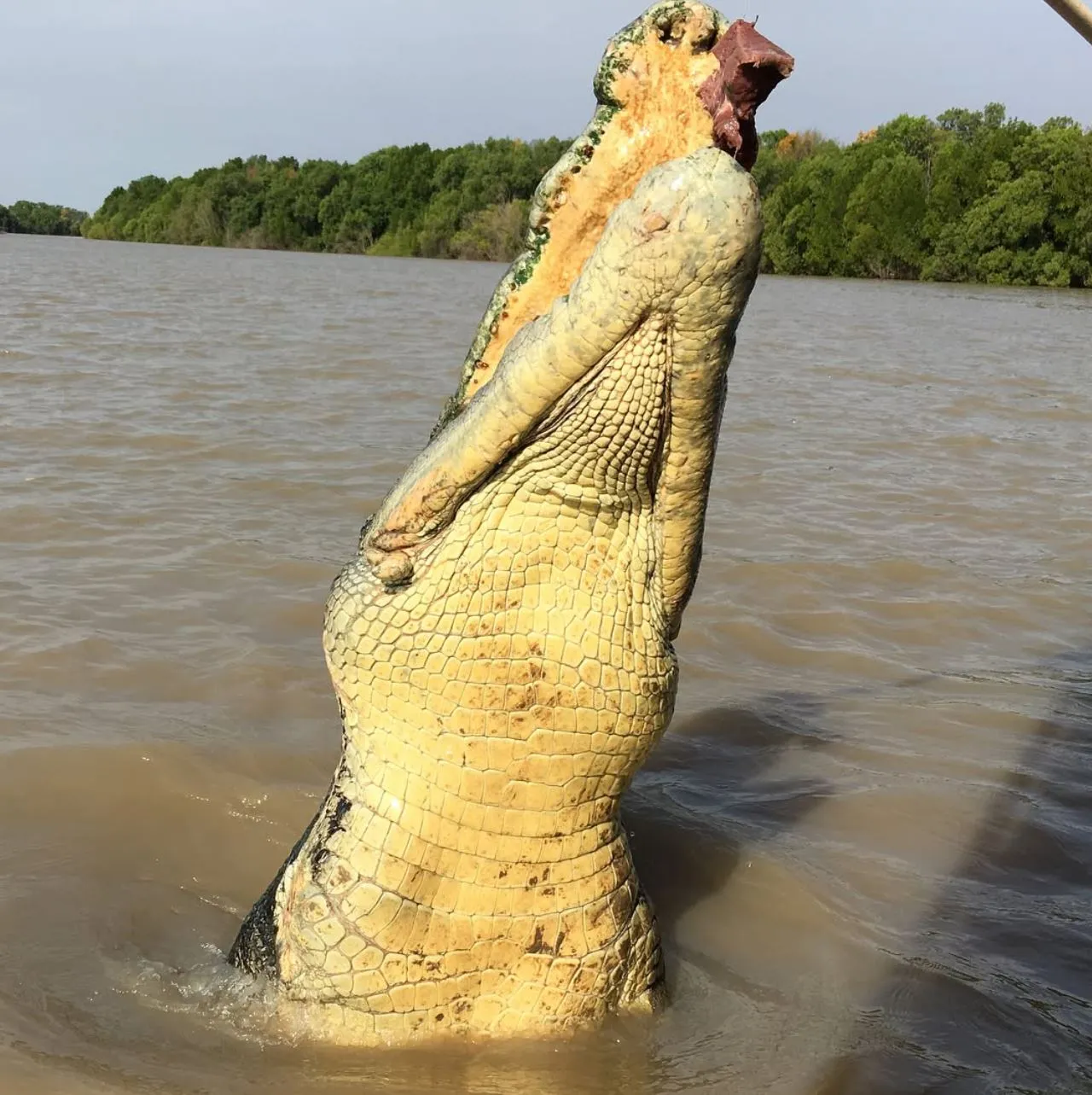
I still remember the first time I went on a Jumping Crocodile Cruise here. The guide tossed a piece of meat on a pole and within seconds a massive saltie exploded out of the water, jaws wide, water flying. Everyone went silent – even the kids with iPads. You don’t forget that sound.
Today, several local operators run responsible river tours that blend excitement with conservation. Each trip has its own flavour – some have live commentary and wildlife guides while others have private boats or transfers in an air-conditioned bus.
How the Crocs Jump (and Why It’s Worth Seeing)
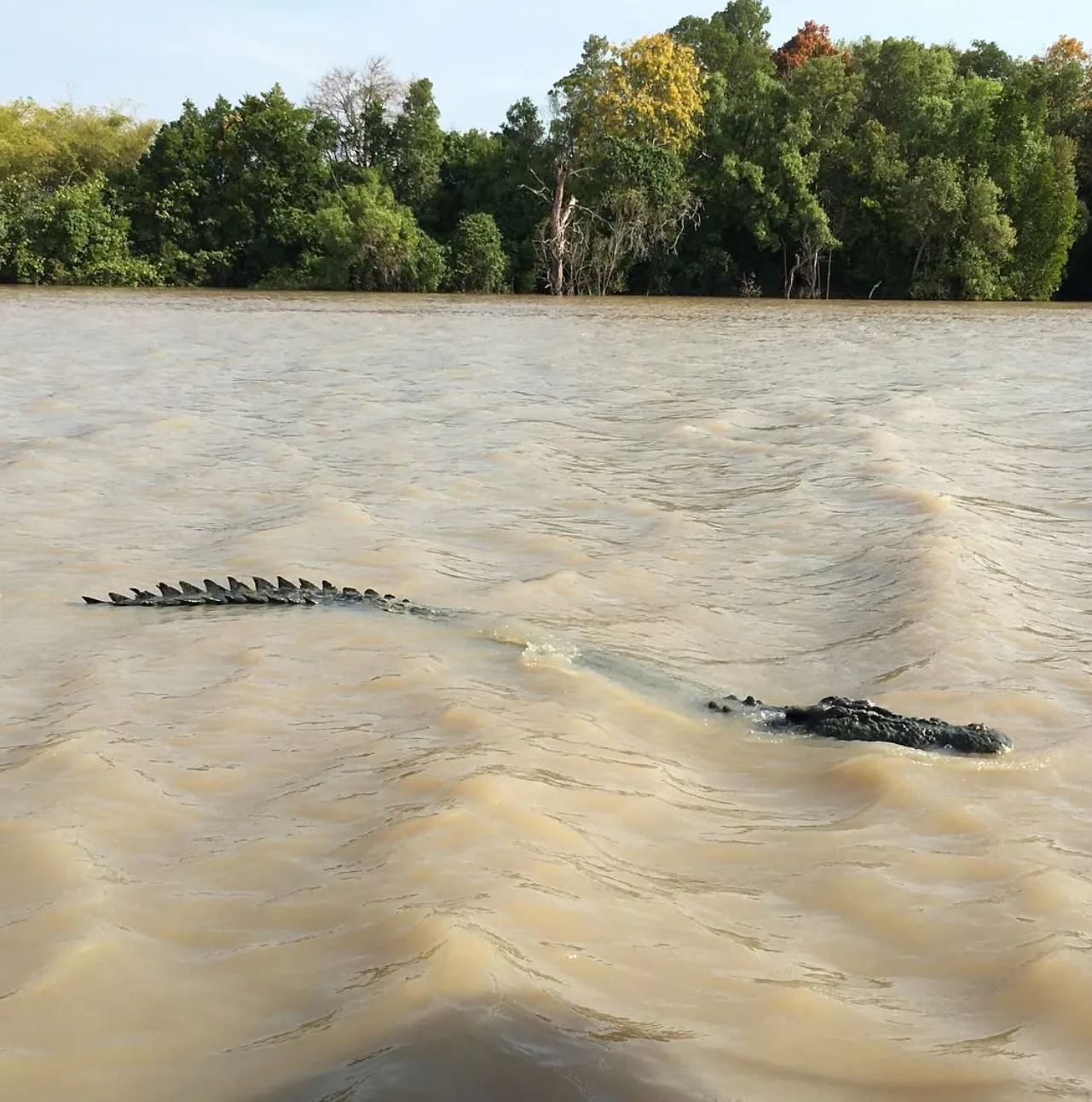
Saltwater crocodiles are patient hunters. They can lurk beneath the surface for hours, then surge up with terrifying precision. On a crocodile cruise, you’ll see them demonstrate their vertical hunting strike – a display that’s as educational as it is adrenaline-spiking.
Each Jumping Crocodile Cruise follows strict wildlife guidelines to ensure responsible tourism. No over-feeding, no close-ups that put people or crocs at risk. Instead, you’ll get solid live commentary from tour guides who know their patch of river like the back of their hand – often the same folks who grew up fishing or mustering cattle nearby. And it’s not just crocs. Keep an eye out for birds too: white-bellied sea eagles, kites, kingfishers and jabirus.
Choosing Your Crocodile Cruise Style
Every traveller’s got their own beat when it comes to getting out on the water. Some people are all in for a full day trip – others a just a quick visit before moving on to the next stop – like Kakadu. Here’s how the main types of tours compare:
| Tour Type | Duration | Inclusions | Best For |
|---|---|---|---|
| Standard Crocodile Cruise | 1 hour | Live commentary, open deck | Families, first-timers |
| Extended Wildlife Tours | 2–3 hours | Wildlife guide, birdwatching, snacks | Nature lovers, photographers |
| Private Boat Experience | 1–2 hours | Custom timing, exclusive group | Small groups, couples |
| Combo Tour (Coach + Cruise) | Half day | Air-conditioned bus, multiple stops | Big coach tours, day trippers |
| Festival Season Cruise | Varies | Tied with local Festivals and Events | Travellers wanting local culture |
Booking ahead during the peak months (June to August) is a smart move – the time you book can make or break your holiday plans. Most operators start selling tickets early in the year, and the best seats – especially the ones on private boat experiences – get snapped up fast.
What to Expect on a Jumping Crocodile Cruise
Before you step onto the boat, here’s what you can expect from a typical Jumping Crocodile Cruise experience. You’ll be boarding a sturdy metal vessel with an open viewing deck – the perfect spot to take in the sights. The crew will give you a quick and to-the-point safety talk – nothing too over the top, just a fair dinkum rundown of what you need to know – then it’s off down the river, scanning the mangrove edges for any sign of movement.
The first crocodile usually shows up within 10 minutes or so. And then – bam – up pops a prehistoric missile when the feeding pole dips near the water’s surface and the water ripples. Your wildlife guide will be on hand to explain the behaviour: why the croc jumps, how high it can leap and how that brute force helps it snatch birds right out of the air. The live commentary will keep things real – you’ll get a mix of fun facts, dry humour and some good yarns about past encounters.
When you’re not spotting crocodiles, you’ll be drifting through calm water where the birdlife takes centre stage. You might even catch a glimpse of white-bellied sea eagles wheeling overhead or egrets perched like sentinels on half-submerged logs.
Packing Smart for Your Crocodile Adventure
The Top End can be unforgiving if you’re not prepared. Here’s the gear you should bring along so you can focus on the action rather than scratching mozzies all day:
- Insect repellent: Don’t even think about showing up without it. Those floodplain mozzies are as big as helicopters after the wet season.
- Wide-brim hat and sunglasses: You won’t be finding much shade out there.
- Refillable water bottle: Some tours will supply water, but others won’t.
- Light long-sleeved shirt: Keeps the sun and bugs at bay.
- Camera with a fast shutter: Crocs won’t wait for autofocus to kick in.
- Cash for any souvenirs you might want to pick up. Many cruises sell local gear or crafts – great mementos that support NT tourism.
If you’re hopping on a combo tour with an air-conditioned bus, you might be able to leave some of your gear behind on the bus. Private boat travellers might want to bring a dry bag – the splash zone is real.
The Wildlife Beyond the Crocodiles
While the crocodiles will be the stars of the show, the Adelaide River floodplain ecosystem is teeming with life. You’ll spot more than 280 species of birds – from delicate rainbow bee-eaters to the hulking sea eagles that shadow the boats. Reptiles like goannas, snakes and freshwater turtles also call this place home.
As part of responsible tourism, most operators who run Jumping Crocodile Cruises are working in conjunction with wildlife conservation projects, sharing data and keeping tabs on croc populations. The river tours help out with monitoring efforts that keep both the animals and the people living nearby safe.
Did you know that back in the 1970s, there was a massive drop in the saltwater crocodile population because of hunting? But since then, there’s been a massive recovery – the NT Parks and Wildlife Commission estimates there are over 100,000 of the things living in the Top End today. That’s why staying croc-wise is so important: these ancient predators are doing better than ever.
Timing It Right: Seasons and Conditions
The Northern Territory has two seasons — the Wet and the Dry — and both are great for crocodile cruises.
During the Dry Season (May to October), the water levels drop, and crocodiles congregate closer to the riverbanks. Visibility is good, humidity drops and the roads are open. This is prime time for big coach tours and combo Wildlife Tours from Darwin or Litchfield.
The Wet Season (November to April) brings swollen rivers, steamy afternoons and sudden closures. While it’s less predictable, it’s also when the floodplain comes alive. Migratory birds fill the skies, and the vegetation turns electric green. A few operators still run shorter private boat experiences for travellers chasing that moody, cinematic vibe.
If you’re planning to line up your Jumping Crocodile Cruise with local Festivals and Events — like Darwin Festival in August or Territory Day fireworks — book early. Accommodation and tour slots disappear faster than a barra on a hook.
The People Behind the Experience
The best part of any crocodile cruise isn’t the crocodiles — it’s the people running it. Many guides are Territory locals who’ve grown up camping, fishing or working along the Adelaide River. Their stories bring the region to life: the wet season floods that isolate homesteads, the old timers who tracked crocs before GPS and the respect shown to Traditional Owners who’ve lived with these animals for generations.
A good wildlife guide doesn’t just point out crocodiles. They connect you to Country — explaining the river’s role in the ecosystem, how the floodplains feed the wetlands and why white-bellied sea eagles are a sign of healthy fish stocks. That kind of insight stays with you long after the camera battery dies.
Responsible Tourism on Croc Country

Look, there’s no denying a jumping croc show is thrilling. But it’s also an opportunity to do things the right way. Responsible tourism means respecting both the animals and the communities that depend on them.
When you choose a licensed Jumping Crocodile Cruise operator, you’re supporting local jobs and funding wildlife monitoring. You’re also ensuring the feeding techniques don’t alter natural behaviour — a big issue in the early days before strict guidelines kicked in. That’s the kind of tourism we want to see in 2025 — actual good.
Local Insight: My Pick for 2025
If I had to pick one for 2025, I’d go with a smaller boat with live commentary and flexible departure times. Big coach tours are convenient, but there’s something special about drifting quietly on a private boat, hearing the water lap under the hull, waiting for that ripple that turns into a jaw-snapping explosion.
Book with an experienced wildlife guide who’s Territory born or trained under Parks NT standards. Those are the people who’ll give you the inside track — which crocs dominate which bends, when the birds are nesting and how the river changes after the first storms roll in.
Quick Stats: Crocodile Tourism in the NT
- 120,000+ people join an Adelaide River crocodile cruise each year.
- Wildlife Tourism adds $135 million to the Top End economy each year.
- Crocodile density along the Adelaide River is 4 per km — the highest in the world.
- White-bellied sea eagles are seen on 95% of cruises during the dry season.
That’s a lot of action in one river.
Final Thoughts: Go Smart, But Go
Choosing the right Jumping Croc Cruise for 2025 is all about matching your travel style with the experience that’s just right for you. Rather than just picking out the flashiest brochure, think about what kind of trip you’re after. Is a big coach tour with live commentary your thing, or would a more laid-back cruise in a private boat be more to your liking? Either way, you’ll still get a front row seat to some of the most incredible wildlife Australia has to offer – at its most fierce, and at its most beautiful.
Just remember to bring your sense of adventure and a healthy dose of respect for the river. And if you do happen to spot me out on the deck, give me a wave – I’ll be the bloke yelling at everyone to keep their hands inside the boat.
FAQ
Are the Jumping Crocodile Cruises Safe?
The short answer is yes – all licensed operators have got strict safety protocols in place thanks to the NT Parks and Wildlife department. The boats are either enclosed or raised, and the staff are all properly trained to deal with any crocodile interactions that might come up.
What’s the Best Time of Year to Do a Crocodile Cruise?
Suppose you can, try to get up here in the dry season (May to October). The weather’s a lot calmer, the visibility’s better and the roads are a lot easier to navigate. Wet season tours are a lot more limited, but they can be pretty sweet if you don’t mind a bit of rain – the scenery’s lush and green, and there are a lot fewer people around.
Do I Need Insect Repellent on Board?
You bet you do. Even in the dry season, those floodplain mozzies can be absolute legends. Make sure you pack some repellent and reapply before the cruise, or you’ll be scratching like mad for the rest of the day.
Can I Bring the Kids Along on a Jumping Crocodile Cruise?
Absolutely – most tours are really family-friendly, and the kids often love the commentary about the wildlife. Just make sure to remind them to stay seated when those crocs come close.
Are These Tours Good for the Animals?
When you book with one of the responsible, licensed operators, then yes – absolutely. They don’t just feed the crocs as you’d see on some dodgy TV shows. Instead, they make sure it’s all done right, and the tour guides are all about educating people on how to live alongside these incredible animals.