At Cosmetic Tattoo Melbourne Studio, we see clients every week who’ve fallen in love with the elegant simplicity of a fine line tattoo — and just as many who need corrections after rushed jobs elsewhere. If you’re thinking about it, there’s more to consider than just the inspo pic. The style might be minimalist, but pulling it off takes maximum skill. So, what to look for in a fine line tattoo artist?
So, you’ve finally saved that Pinterest board, watched your mates heal their new ink, and now you’re ready to book in. But here’s the rub: fine line tattooing isn’t just a style — it’s a whole skill set. And not every tattooist who dabbles in minimalist ink knows how to make it last (or heal well). From wobbly lines to ink blowouts, there’s more that can go wrong than a misspelt quote on your ribcage.
If you’re after dainty, detailed, or delicate work, here’s how to find an artist who won’t botch your body art.
Style, Technique + Pros & Cons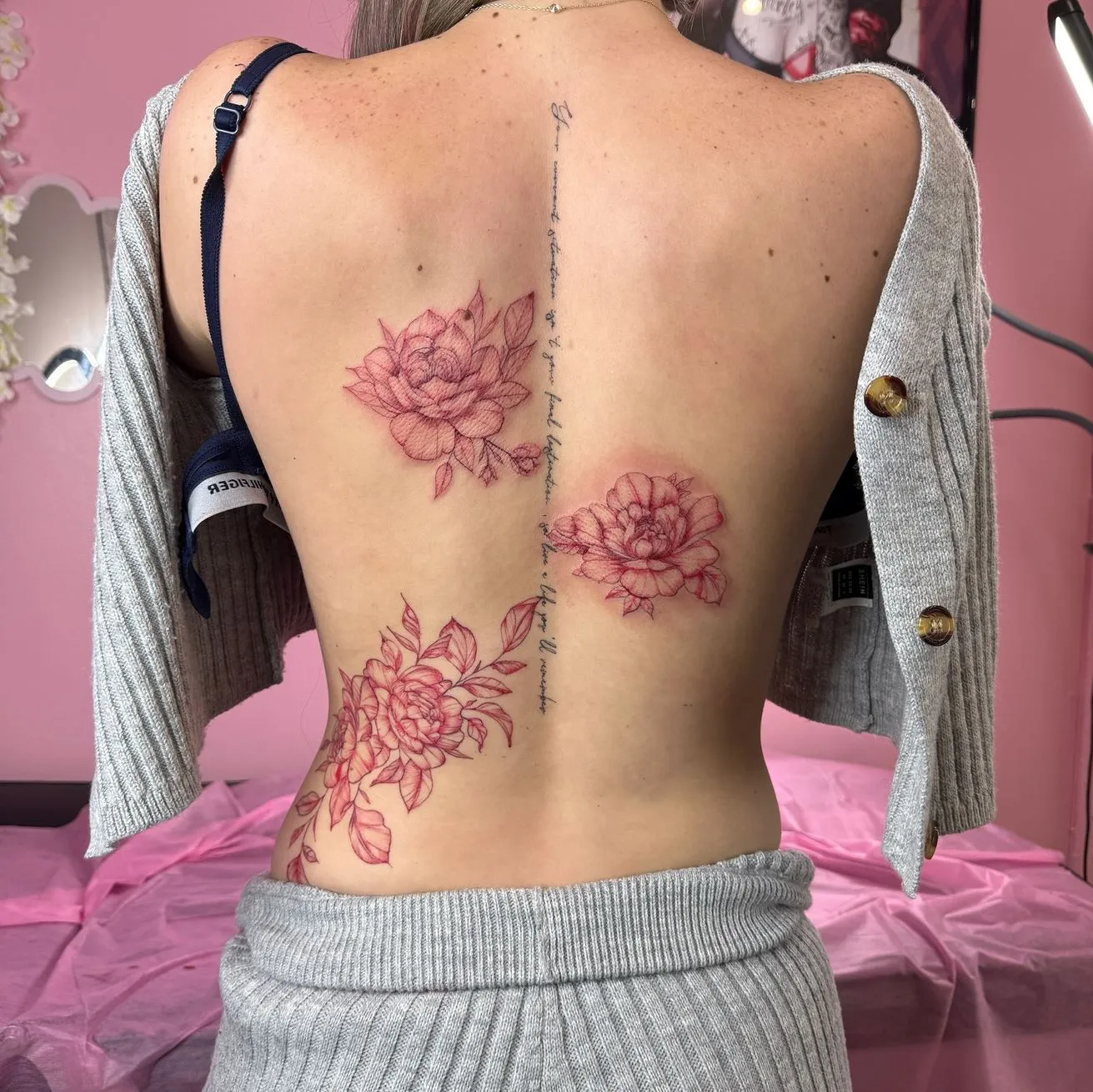
Fine line tattoos use single-needle or very small groupings to create clean, delicate outlines. A fine line tattoo requires precision, patience, and the right tools to ensure it heals well and lasts. Think floral outlines, subtle script, or detailed mini-portraits, often with little to no shading. The appeal? They look light and airy on the skin — but that softness comes with technical demands.
Key features of fine line tattoos:
- Minimal trauma: Less pressure means less trauma to the skin (if done correctly).
- Precision required: Mistakes are harder to cover in this style of tattooing.
- Longevity depends on placement and technique: Thin lines can blur or fade faster without expert technique.
According to the 2025 Global Tattoo Industry Report, demand for fine line tattoos in Australia has increased by 41% over the past two years, especially among women aged 22–39. Many are choosing this minimalist design style over more traditional tattoos for their subtle elegance and faster healing.
Technique Matters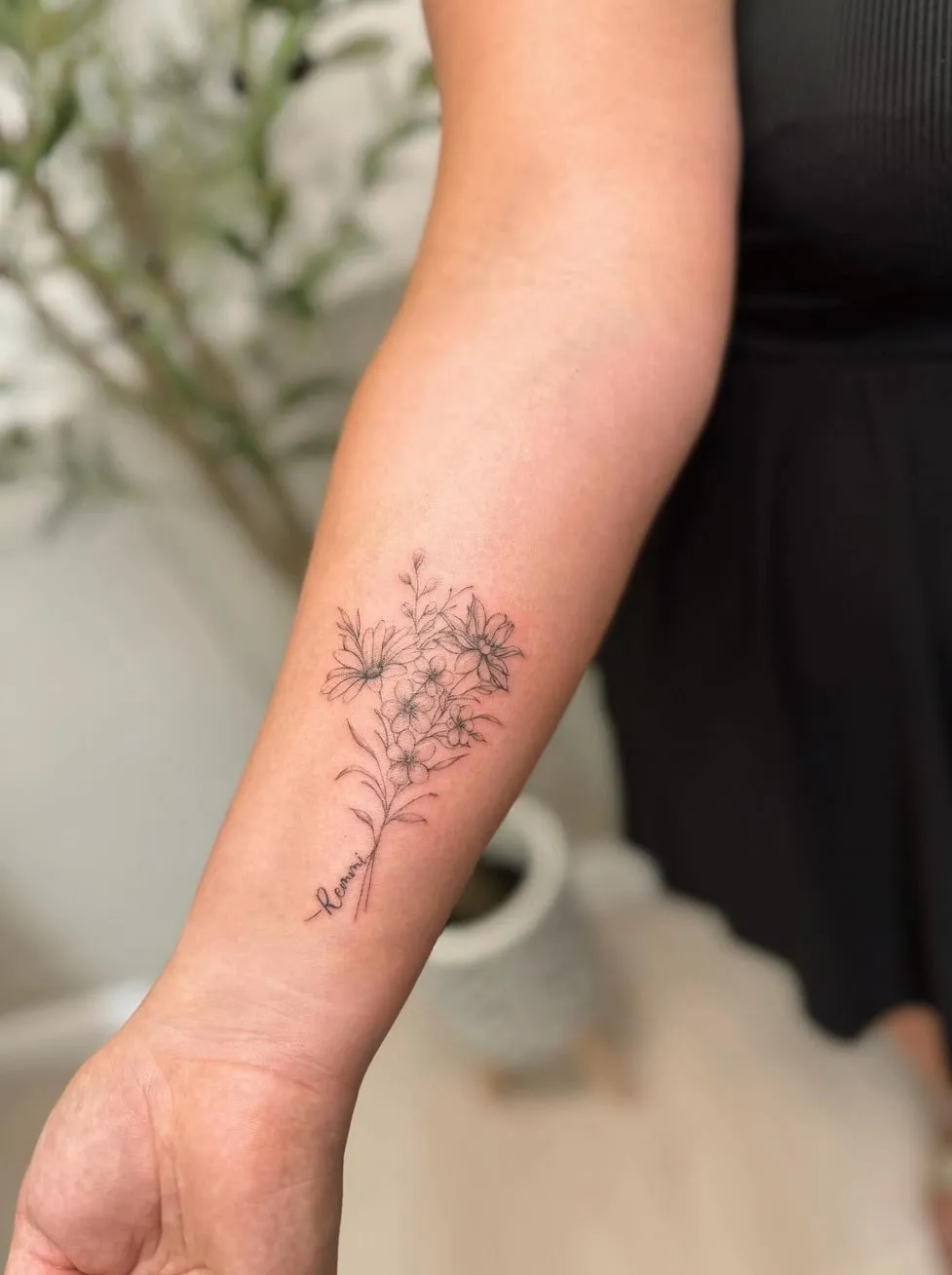
Here’s the thing: a bold traditional tattoo artist might smash out a sick sleeve, but that doesn’t mean they’re equipped to handle a fine line tattoo. The technique, ink saturation, and approach to skin trauma are completely different, but they might not have the featherlight touch that fine line requires. The needle depth, hand speed, and tattoo machine setup all change with this style. And let’s be real — not everyone adjusts well.
Look for:
- A portfolio specifically showing fine line work (not just bold colour or blackwork)
- Clean, consistent lines with no visible shake or blowout
- Healed photos — not just fresh ink. A fine line can look great on day one, then blur into oblivion if done poorly.
Pro tip: Ask the artist how they handle line weight and fading. A good one won’t promise that it will “stay perfect forever.”
If you hear them mention liner needles, careful aftercare, or a deep understanding of skin types — you’re on the right track.
Check Their Studio Hygiene and Licensing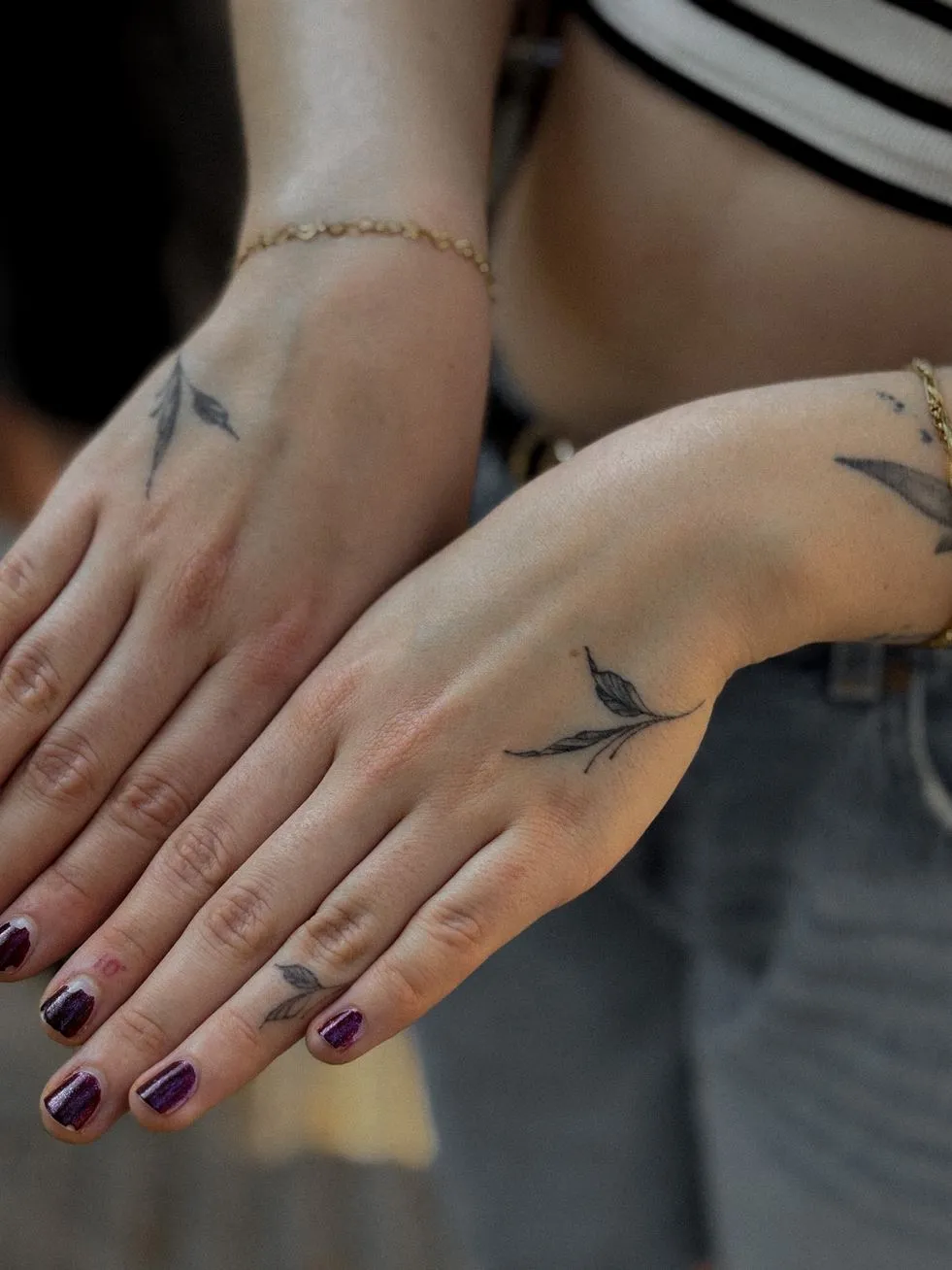
No matter how pretty their Instagram grid is, if they’re not working from a licensed, council-approved tattoo studio with a skin penetration licence, run. Fast.
A good artist will:
- Use single-use needles and a disposable setup
- Wear gloves at all times during the tattoo
- Have a clean, sterile space that smells more like Dettol than incense
In Australia, states like Victoria require strict compliance with health regulations for skin penetration. If you’re unsure, check your local council’s public health listings.
Healing Expectations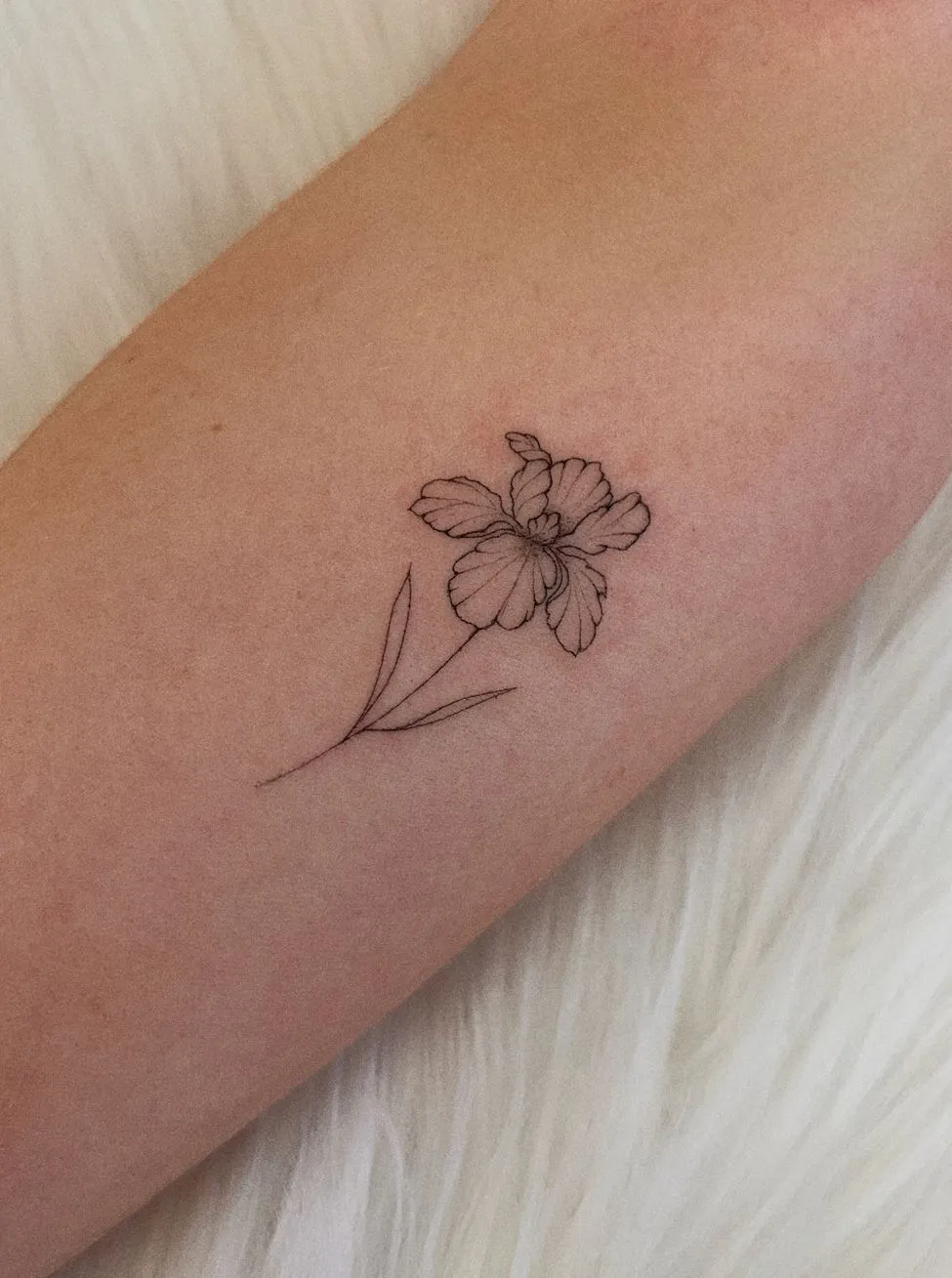
Fine line tattoos are usually easier on the skin, but they’re also more prone to:
- Blowouts (when the ink spreads under the skin)
- Fading or dropouts (if the artist doesn’t go deep enough)
- Dry flaking (especially if you pick it!)
Healed results often look 20–30% lighter than fresh work. Apply a thin layer of cream as advised in your aftercare tips, and avoid unnecessary sun exposure while your fresh tattoo heals.
A good artist will walk you through aftercare and tell you straight up what to expect — especially for high-friction or fast-fading areas like fingers, feet, or ribs.
Realistic Expectations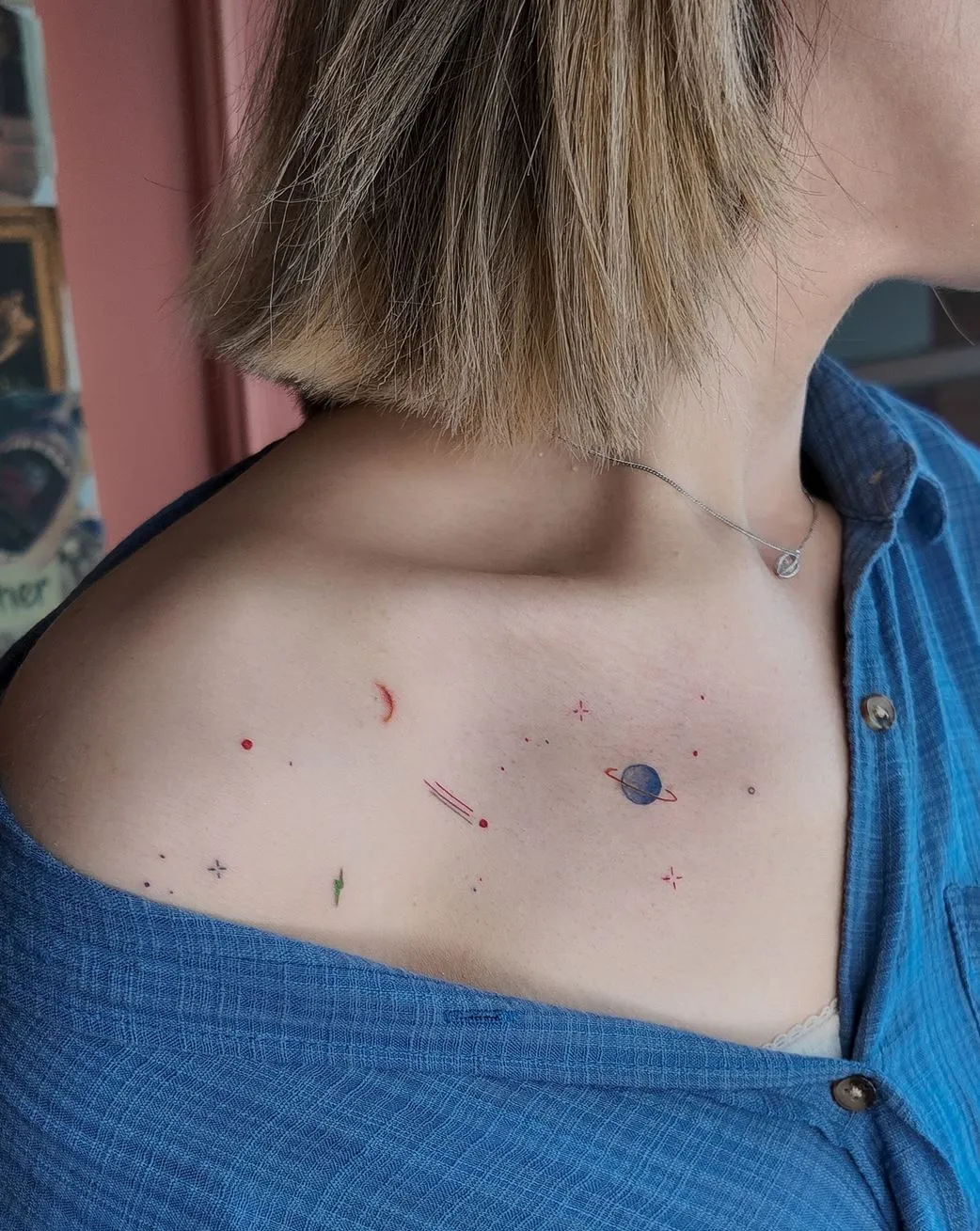
Tattooing isn’t a one-size-fits-all situation. Factors like skin texture, tone, age, and lifestyle all affect how fine line work will heal.
- Oily or textured skin? May blur faster.
- Darker skin tones? Choose tattoo designs that play with negative space for better visibility.
- Sun exposure or exfoliating skincare? You’ll fade your ink faster.
If your artist doesn’t ask you about your lifestyle or skin before tattooing, that’s a red flag. They should be matching the design and technique to you, not just copying a trend.
Questions to Ask Before You Book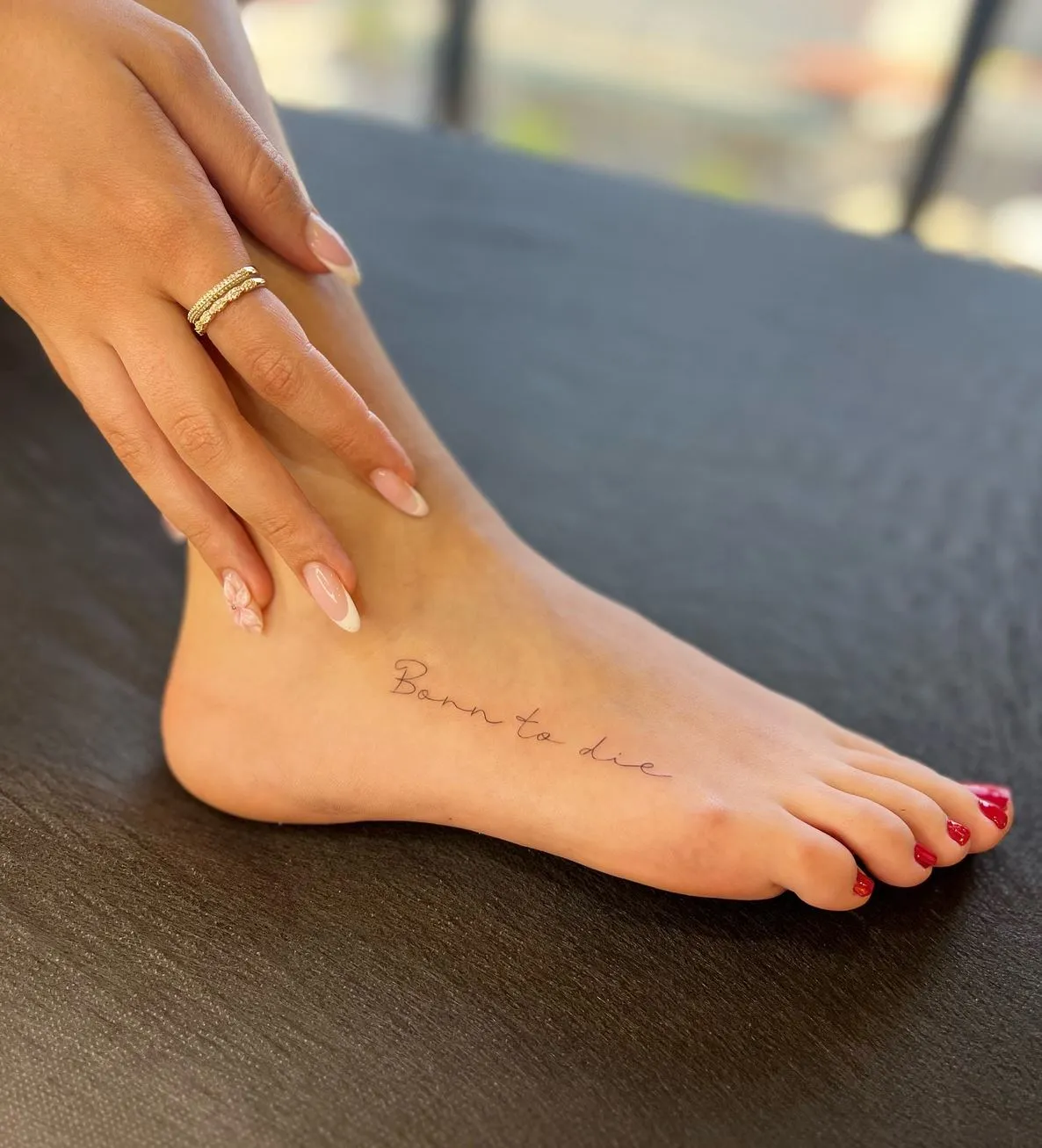
A solid artist won’t be thrown by you asking the tough stuff. In fact, they’ll welcome it.
| Question | Why It Matters |
|---|---|
| Can I see healed photos of your fine line work? | Fresh ink always looks crisp; healed results show true skill |
| How do you adjust your technique for different skin types? | Shows they understand how skin affects the outcome |
| What areas do you not recommend for fine line? | An honest artist will steer you away from risky spots |
| What machine and needle setup do you use? | Indicates they’re tailoring their tools for precision with single-needle tattoo techniques |
| What’s your touch-up policy? | Even great work may need tweaks — especially fine line |
2025 Fine Line Trends
Fine line tattoos have gone from niche to mainstream, but some trends are worth watching (or skipping). According to InkSafe AU, the most requested motifs in 2025 include:
- Tiny celestial symbols (stars, moons, suns)
- Fine line florals with botanical names
- Micro animal portraits (especially pets)
- Minimalist script in cursive or typewriter fonts
What’s fading fast?
- Finger tattoos (high dropout rate)
- Ultra-micro designs under 1cm (hard to maintain definition)
Keep in mind that micro tattoos and minimal design pieces require precise execution to maintain a clean appearance over time.
Final Thoughts
A fine line tattoo might look simple, but it’s not easy. Every fine line tattoo demands steady hands, clean technique, and a plan for long-term healing. It takes a specific skill set, proper equipment, and a lot of skin knowledge to get it right. And the cost of fixing a bad one? Higher than just getting it done properly in the first place.
Whether you’re exploring tattoo ideas for your first piece or adding to a growing collection of styles of tattoos, remember: this is art on skin. Choose a skilled artist with experience across different tattoo styles, not someone who treats every design like a regular tattoo.
Take your time. Ask the right questions. Choose someone whose healed work and hygiene you trust — not just who has the biggest Instagram following.
Thinking of booking in? Drop your questions below or bring your inspo to your consult — I’m happy to talk placement, line weight, or whether that tiny Saturn ring will actually hold up over time.
FAQ
How long do fine-line tattoos last?
Fine line tattoos typically last 5–10 years before significant fading, depending on placement, sun exposure, and skin type. High-friction areas may blur faster.
Are fine line tattoos more painful?
Not necessarily. Because they use fewer needles and less pressure, many people find them less painful than traditional styles — but it depends on the placement.
Can any tattoo artist do fine-line tattoos?
No. It requires a specific technique, a steady hand, and skin knowledge. Always check portfolios for healed results, not just fresh pics.
What should I avoid after getting a fine line tattoo?
Avoid swimming, sun exposure, exfoliants, and tight clothing over the area while it heals. Follow careful aftercare and apply a light layer of cream daily to support healing.
Do fine line tattoos need touch-ups?
Often, yes — especially in high-movement areas or if healing wasn’t ideal. Many artists include one free touch-up within a set period (e.g. 3 months).