The question “How deep is the water in the Great Barrier Reef?” tends to spark curiosity in travellers, divers and anyone who has looked out over this enormous Marine Park, wondering what lies beneath those kaleidoscopic lights flickering over the surface. The Great Barrier Reef sits within the Great Barrier Reef Marine Park, spanning 344,400 square kilometres of coral reefs, fringing reefs, coral cays, offshore platforms, and drop-offs along the continental shelf. One minute you’re floating above a sandy coral lagoon, and the next you’re staring into the dark blue void of the Coral Sea, where depths hit thousands of metres.
Before we jump into numbers, bommies, photic depth, water clarity, coral zones, and those famous walls that drop away fast, rest easy knowing that everything below is written for people first, grounded in marine science, Traditional Owner context, and the real-world experience of being out on reef boats with salty dive guides and travellers whose snorkel gear never quite fits.
Your First Look At The Reef’s Depths
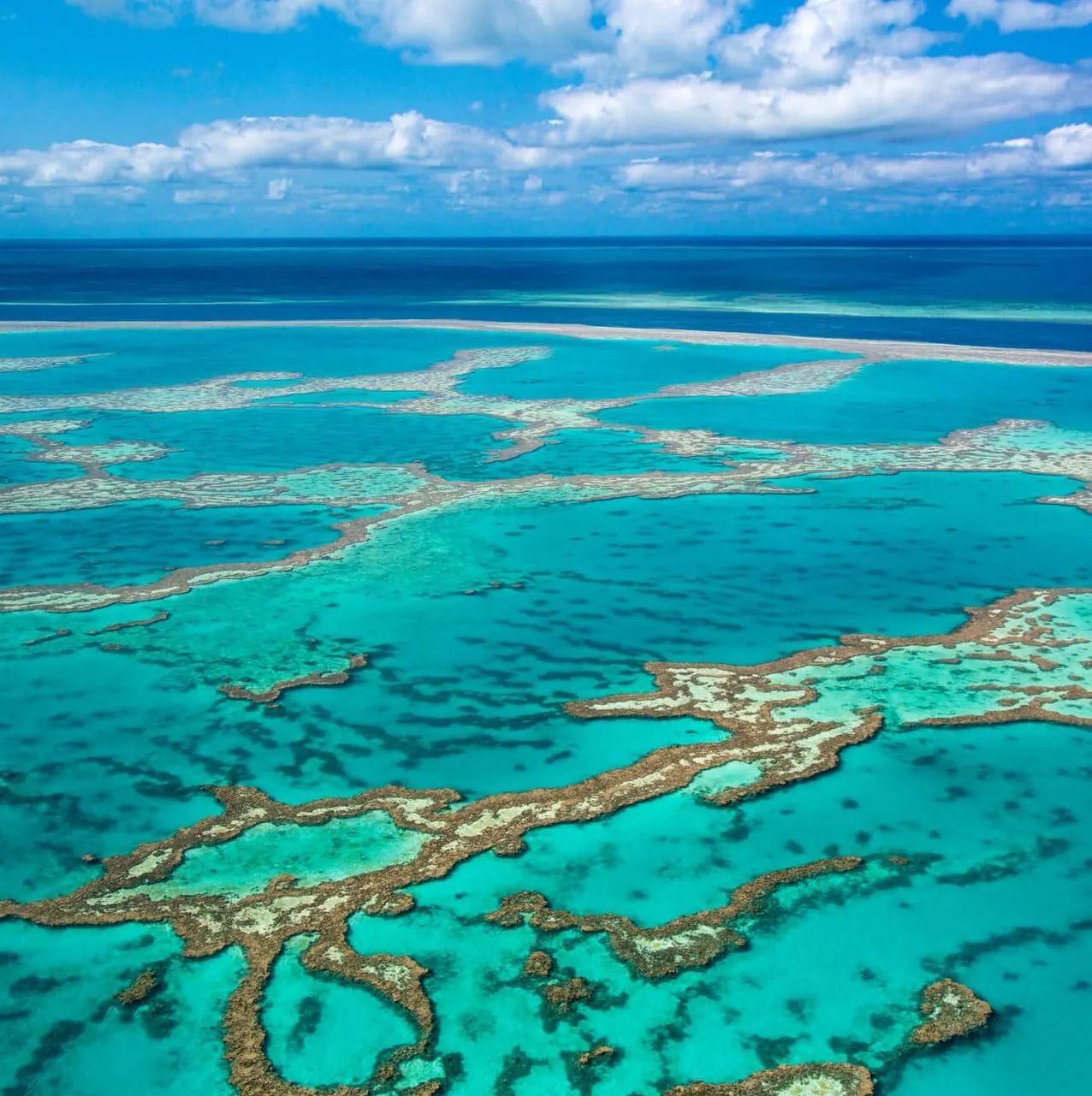
Most folks picture the Reef as a shallow aquarium, but depth varies dramatically depending on where you drop in. The Reef forms the world’s largest coral reef ecosystem, comprising more than 3,000 individual reefs, each shaped by coral growth, light, tides, water quality, and ancient rises and falls in sea level.
When you head out from Cairns, Port Douglas or Townsville, the depth you experience is tied to the reef type — from fringing reefs off islands like Fitzroy Island to mid-shelf structures like Hastings Reef and Saxon Reef, all the way to the continental shelf edge. Dive guides choose sites based on species composition, tides, visibility, diver certification, and experience level.
Understanding depth isn’t just trivia — it shapes safety, marine habitats, and what kind of marine life you see, from tiny coral polyps to cruising marine turtles, sharks and rays, or passing marine mammals.
Shallow Areas Where You Can Stand (But Please Don’t)
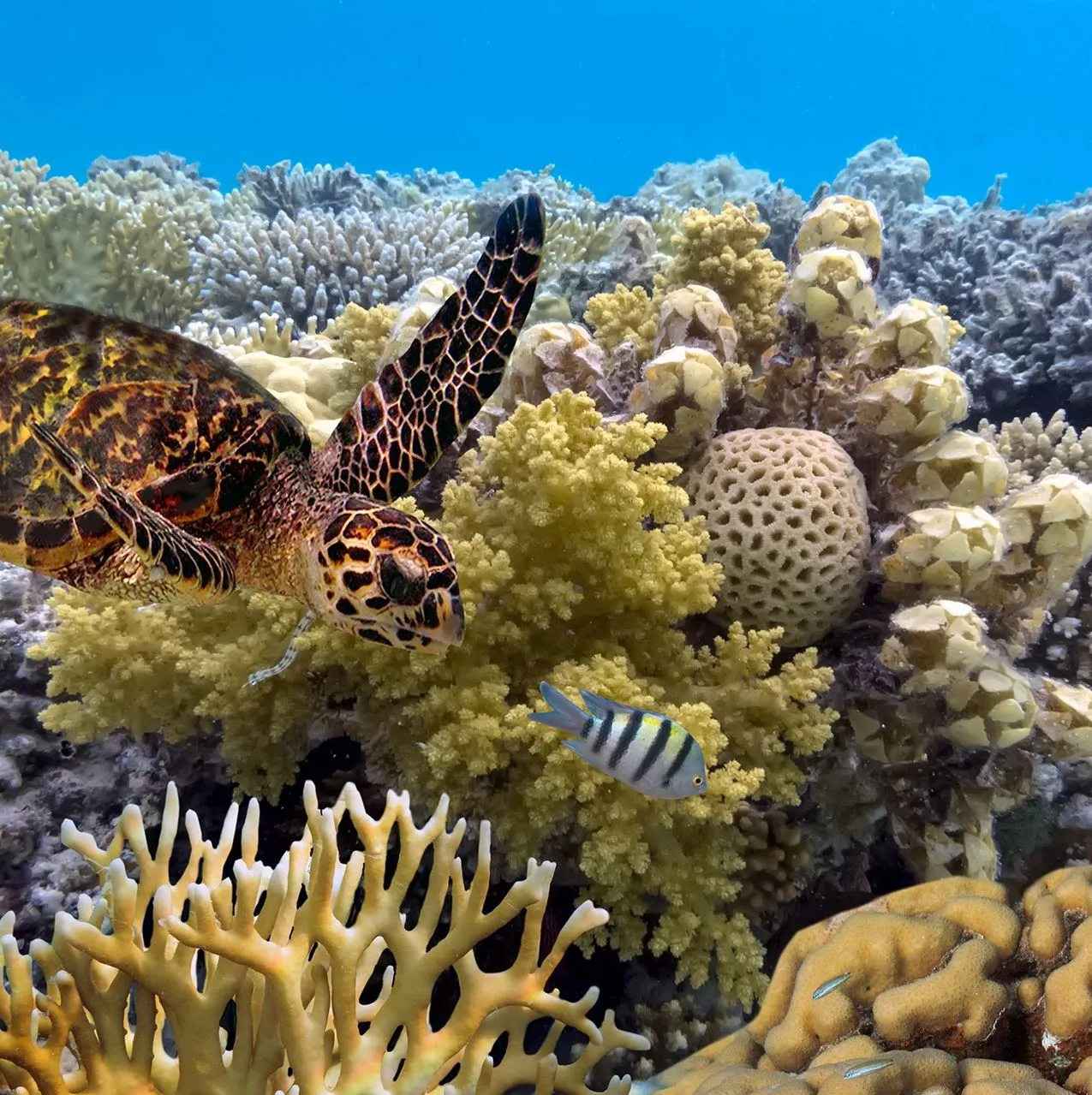
Some inshore reef flats around island coral cays sit in 1–5 metres of water. These are bright, warm and ideal for spotting juvenile marine species exploring sheltered reef ecosystems. You often find hard corals and soft corals thriving in these zones thanks to intense photosynthetically available radiation.
Perfect for beginners — but don’t plant your feet. Standing crushes live coral that took decades to build its calcium carbonate skeleton.
You’ll usually see:
- Clear visibility in good environmental windows
- High coral cover
- Lots of coral larvae during the spawning season
- Healthy marine habitats with strong Blue Carbon potential
Mid-Depth Reefs For Snorkellers And First-Time Divers
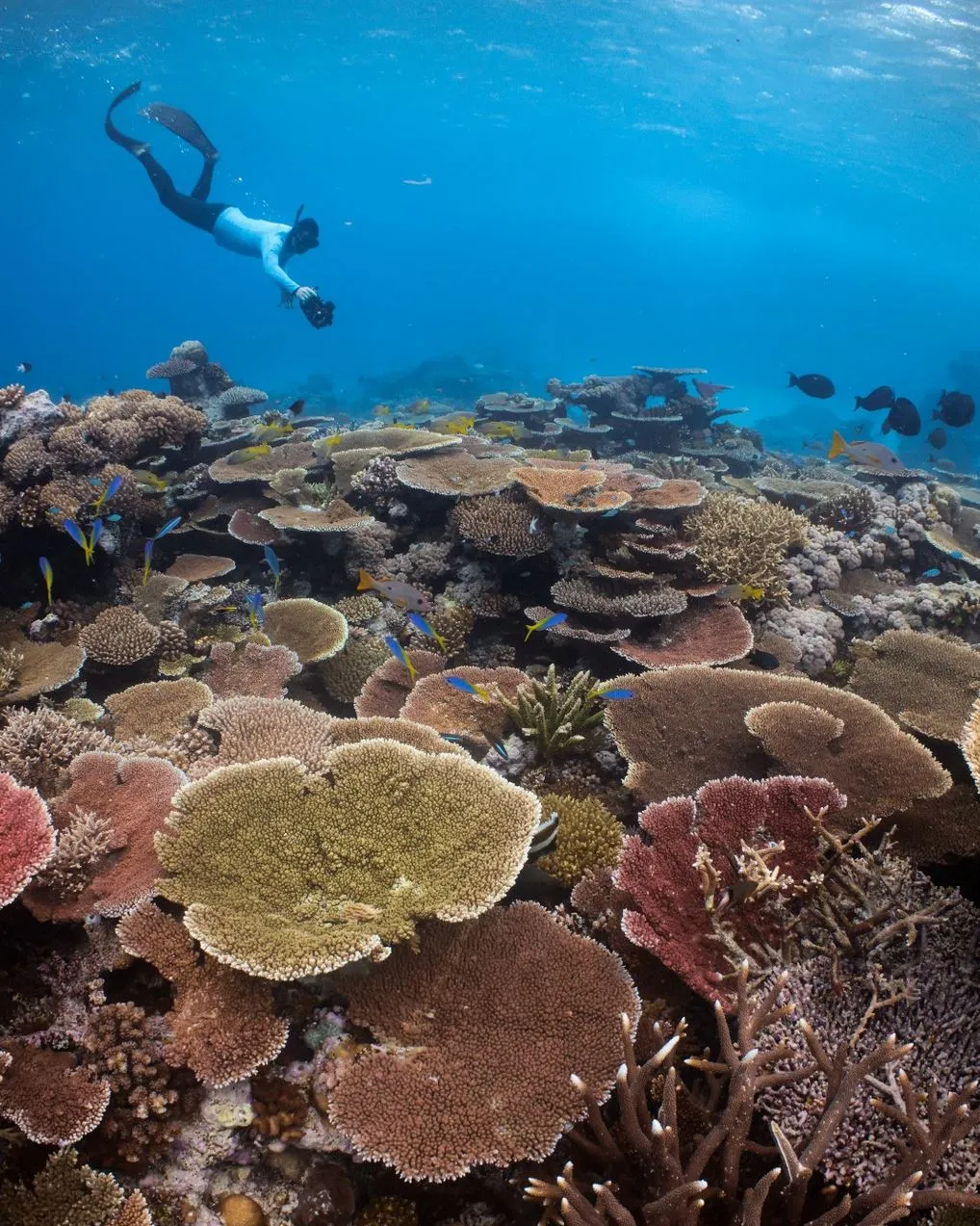
Most snorkelling sites sit around 5–20 metres. This is where coral growth goes into overdrive, creating bommies, sandy channels, and patches of branching corals. Places like Green Island, Hastings Reef, and Saxon Reef are perfect examples.
You’ll spot:
- Giant clams
- Reef fish (the Reef supports over 1,600 species of fish)
- Passing marine turtles
- Colourful soft corals waving in gentle currents
- The occasional crown-of-thorns starfish — a natural predator monitored closely under the Great Barrier Reef Marine Park Authority
These depths sit well within safe snorkelling and intro-dive limits, making them ideal for anyone with minimal gear or confidence.
Deeper Reef Walls — Where Things Drop Away Fast
Now we’re talking drama. The outer Reef bumps right up against the continental shelf, which plunges sharply into the offshore waters of the Coral Sea. Depths jump from 20 metres to 200 metres, then to over 1,000 metres, depending on location.
I’ve taken travellers along these walls where light fades fast, visibility expands to 30 metres, and pelagic marine species roam the blue. This is serious diver territory — the combination of depth, currents, and open ocean exposure makes it unforgettable.
Things you’ll notice:
- Massive schools of trevally
- Stronger currents require attention from your dive guide
- Dramatic changes in water temperature (linked to sea surface temperatures)
- Wildlife beyond snorkelling range: sharks, rays, and the odd curious dolphin
- Huge influence of marine heatwaves and climate change in deeper zones
How Reef Levels Shift Across Regions
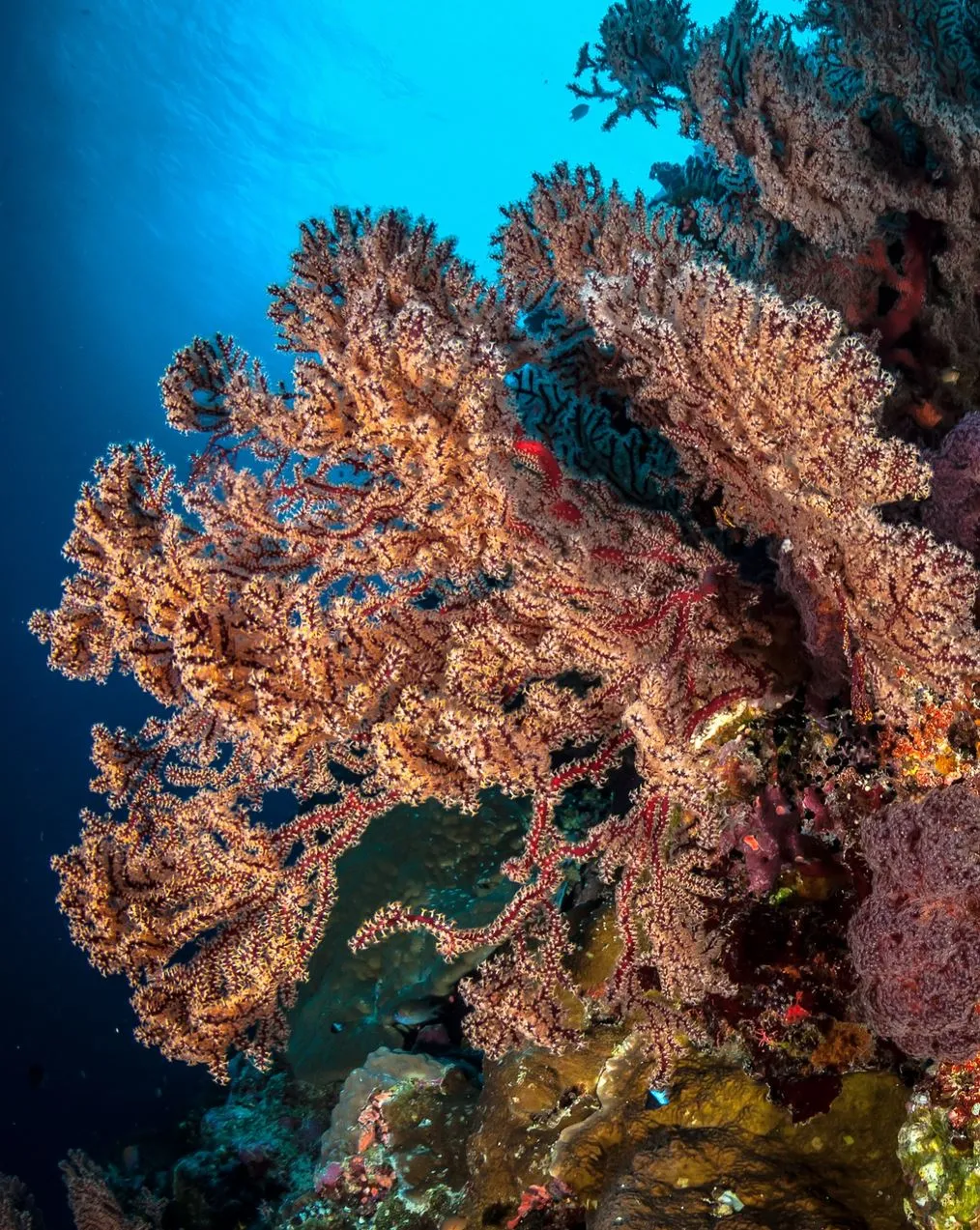
Each region has its own depth profile, shaped by the seabed slope, sediment flow, and the age of the coral structures sitting atop it. Understanding these differences helps you pick the right experience for your confidence level.
Northern Reef — Wild, Remote, And Deep
The northern section, close to the Torres Strait, features rugged walls shaped by sediment transport, tides, and the steep continental slope. Traditional Owners have cared for this Country for tens of thousands of years, and many of the reef structures hold deep cultural significance.
Expect deeper photic zones, major upwellings, and wide ecological variation.
Central Reef — Cairns, Fitzroy Island And Mid-Shelf Magic
This is where most reef boats head: Hastings Reef, Saxon Reef, Arlington, and Flynn. Depths range from shallow gardens to 40-metre sand slopes that taper into the deep. Marine scientists use tools like satellite remote sensing, satellite temperature maps, Environmental data, and Statistical analyses to track water clarity, coral bleaching risk, and sediment plumes drifting from river catchments.
These reefs form the backbone of tourism, science, and education in the Marine Park — and they’re monitored under the Great Barrier Reef Marine Park Authority.
Southern Reef — Lagoons, Cays And Calmer Waters
South around Lady Elliot, Lady Musgrave and the Capricorn-Bunker Group, coral cays rise from shallow platforms forming calm coral lagoons. Here, remote sensing studies often examine seed banks and Blue Carbon stores within seagrass beds that fringe the coral structures.
Depths are predictable, family-friendly, and great for learning the ropes before tackling deeper sites.
Depth Numbers You Can Use — Simple Table For Travellers
| Reef Area | Typical Depth Range | What You’ll Find |
|---|---|---|
| Inshore Reef Flats | 1–5 m | Hard corals, soft corals, coral polyps, high light, fish nurseries |
| Mid-Shelf Patch Reefs | 5–20 m | Marine turtles, reef fish, coral larvae, and healthy coral cover |
| Outer Reef Platforms | 20–40 m | Soft coral fans, sharks and rays, stable water clarity |
| Shelf Edge Drop-Off | 40–200 m | Reef walls, pelagic fish, thermoclines |
| Coral Sea | 500–2,000+ m | Deep ocean basins, marine mammals, and oceanic species |
Depth varies depending on tide, weather, location, and long-term environmental factors such as climate change, habitat loss, and environmental stress.
Natural Forces At Work
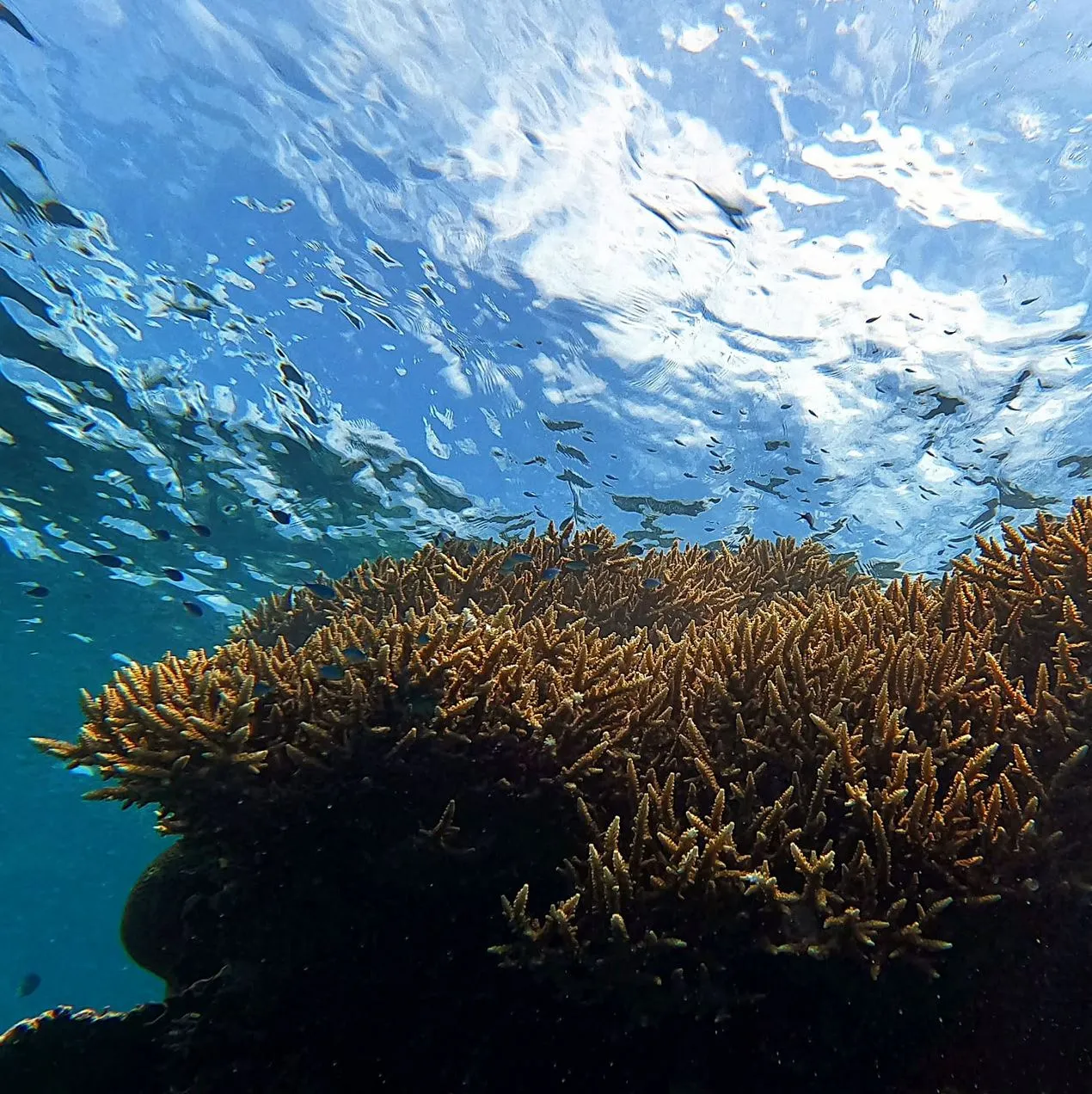
Depth isn’t just about distance from the surface — it changes how corals live, breathe and grow across different habitats.
Light And The Photic Zone
Coral requires light for photosynthesis, so most corals peak in shallower zones where photosynthetically available radiation is strongest. Marine science uses visual techniques and Statistical analyses to measure how depth affects coral health and species distribution.
Tides, Water Quality And Sediment Plumes
Queensland tides can swing up to three metres, altering working depth. Meanwhile, river runoff can create sediment plumes that reduce water clarity and photic depth, monitored by the Marine Park Authority and Fisheries Queensland.
Climate Change Impacts
Higher sea surface temperatures increase the risk of bleaching, particularly in shallow waters. Deep reefs can experience stress during marine heatwaves, but they can also serve as temporary refuges.
Safety Tips — From Years On The Water
Depth changes risk — so knowing which zone you’re entering helps you prepare properly.
Snorkelling (1–20 m)
- Use snorkel gear that fits — trust me, leaky masks ruin trips
- Wear a stinger suit (especially October–May)
- Follow your dive guide through sandy channels, not coral heads
Diving Walls And Drop-Offs (20–40 m)
- Monitor your depth and no-deco limits
- Expect cooler water as photic depth declines
- Don’t chase marine wildlife — especially sharks or turtles
Advanced Diving (40 m And Beyond)
- Only attempt with the proper diver certification
- Offshore waters require confidence in currents, buoyancy and surface conditions
- Blue-water descents are stunning but demand discipline
A Real Story From The Continental Shelf Edge
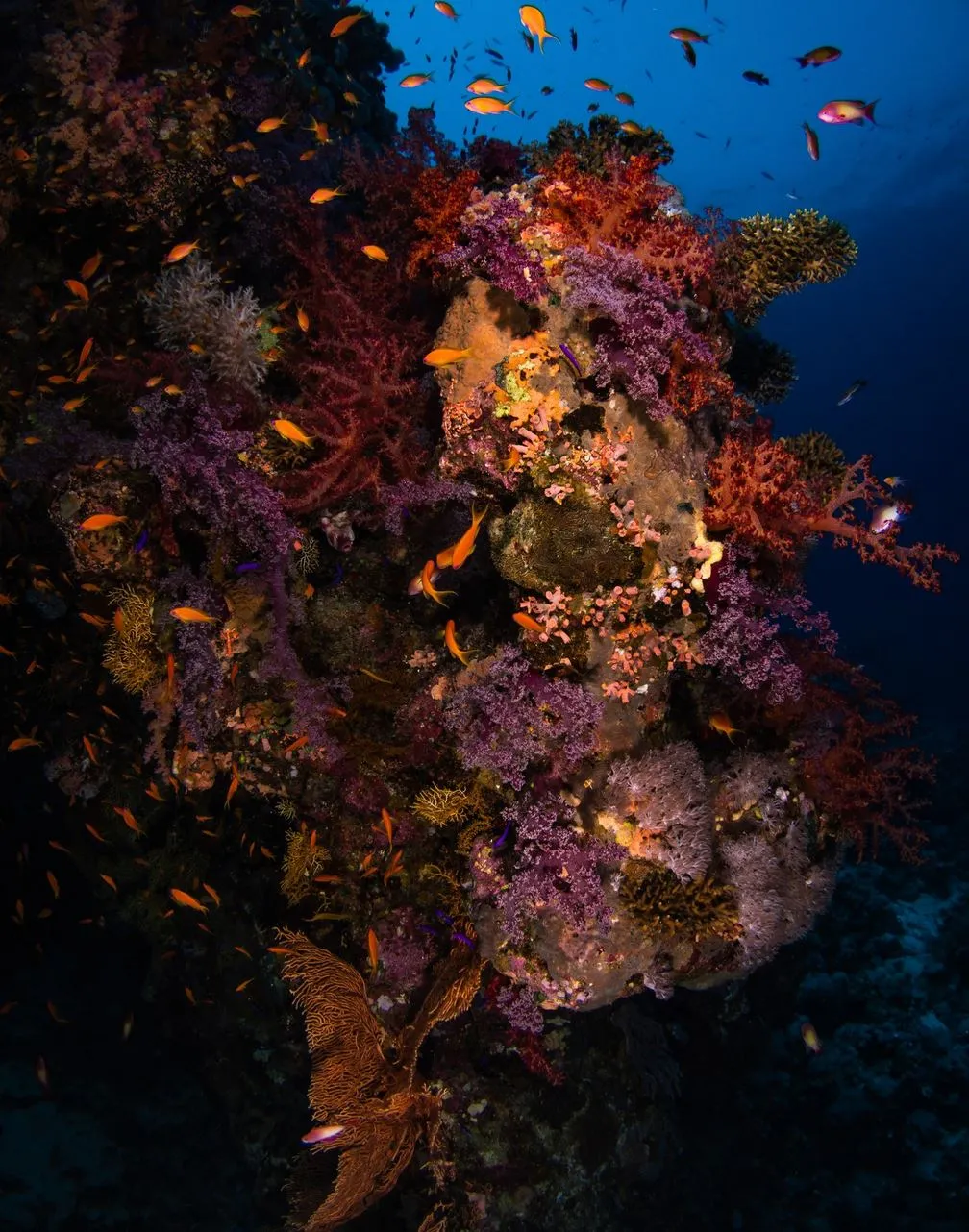
North of Ribbon Reef #10, the depth drops from 18 metres to beyond 1,000 metres in just a few fin kicks. Once, guiding a group on a Great Barrier Reef Tours charter, I watched even the confident divers fall silent at that wall of blue. It’s ancient, raw and humbling — a living coral reef system perched on the edge of a deep ocean trench.
This frontier remains a priority for Traditional Owners, marine scientists, and restoration programs such as the Reef Restoration and Adaptation Program.
FAQ
Is the Great Barrier Reef shallow enough for beginners?
Absolutely — many coral reefs and lagoons sit in 1–10 metres, perfect for snorkelling.
How deep is the deepest part of the Reef?
Beyond the continental shelf, depths plunge over 2,000 metres into the Coral Sea.
Can coral grow in deep water?
Only a little — most hard corals need light and grow above ~30 m due to photic depth limits.
Does water quality affect depth visibility?
Yes. Sediment, runoff and tides all change water clarity and photic depth.
Are deeper reefs safer from climate change?
Not entirely. They can avoid short-term heat spikes but still feel the impact of marine heatwaves and environmental stress.