If you’ve ever caught your reflection and clocked a patch of pigmentation that wasn’t there last summer — you’re not alone. At our Brisbane studio, we see dark spots walk through the door all the time. And whether yours are from sun exposure, hormonal shifts, or that one stubborn breakout from six months ago, the question remains: which facial treatment works best for dark spots? Well, let’s unpack it.
We’re Uliana Kasperska and Anastasia Petkov — cosmetic tattoo artists and skin therapists who believe in honest skin solutions over empty promises. So in this guide, we’ll take you through the best treatments for fading pigmentation, what to expect, and how to actually maintain those results in Brisbane’s humidity. Everything we share is backed by real client outcomes at Cosmetic Tattoo Brisbane Studio Face Figurati.
Why Dark Spots Happen
We treat skin every day, and the patterns are clear: most pigmentation isn’t caused by one thing alone. Here’s what we commonly see:
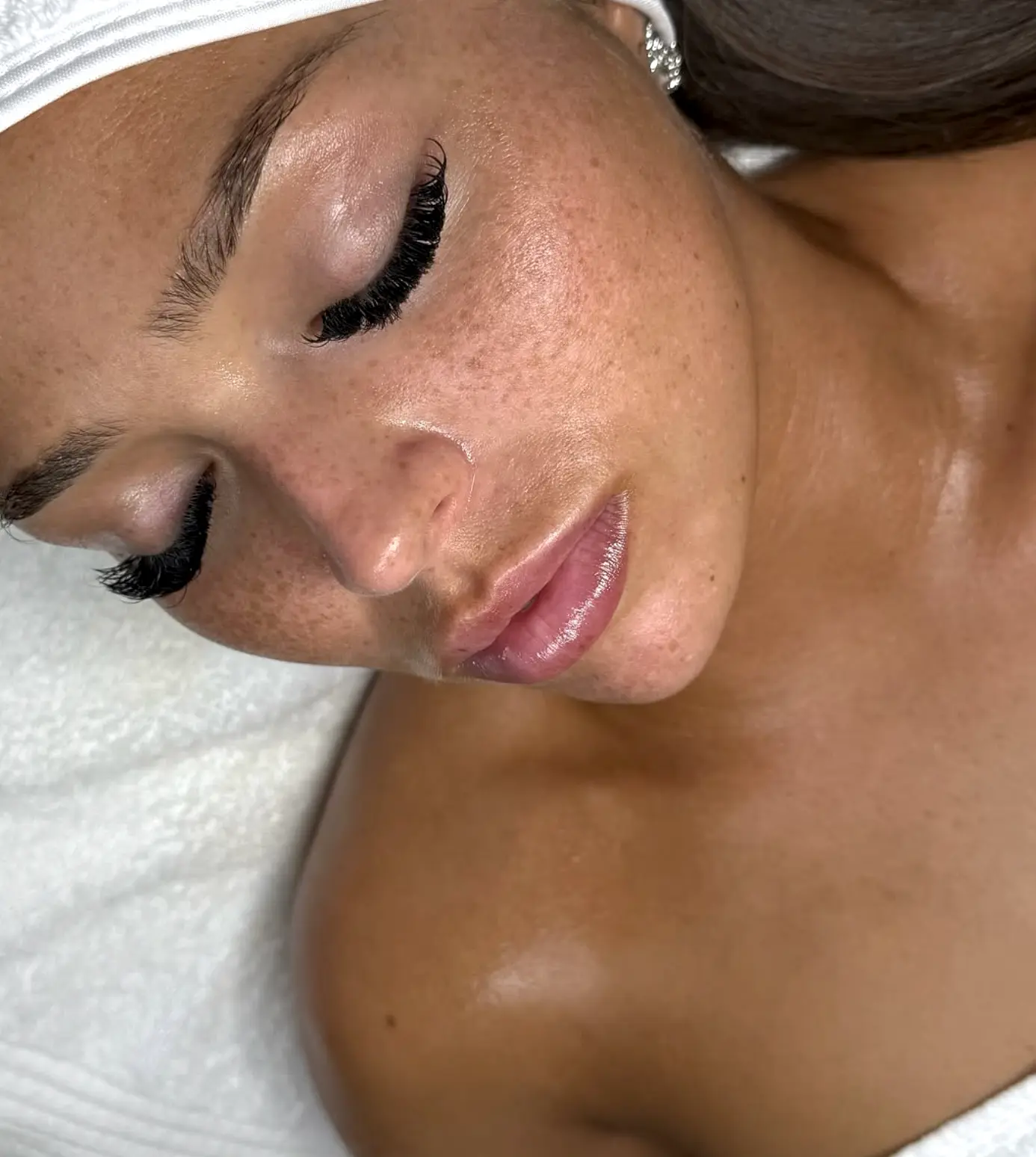
- Sun damage (aka solar lentigines) from our Aussie UV and excessive sun exposure
- Post-inflammatory hyperpigmentation (PIH) from acne, waxing or injury
- Hormonal triggers like melasma
- Age-related changes in cell turnover and skin texture
- Cosmetic products or treatments that trigger irritation on sensitive skin types
Once melanin gets comfy in the upper dermis, it takes more than a basic scrub to move it. This is why over-the-counter fading serums or dark spot correctors rarely cut it for deeper, stubborn spots.
Top Facial Treatments
Not all facials are created equal. We’re not here to push a lavender-scented steam when what your skin needs is pigment disruption. Here are the treatments we trust for visible, reliable results:
Chemical Peels
- What it is: A controlled exfoliation using acids (like glycolic, lactic, TCA)
- Why it works: Helps shed pigmented skin cells and trigger fresher turnover
- Best for: Mild to moderate pigmentation, oily or combo skin
- Downtime: 1–4 days of flaking depending on the strength
Laser Treatments (e.g. PicoSure, IPL)
- What it is: Targeted light or laser energy that shatters pigment clusters
- Why it works: Breaks down melanin so it’s flushed out by the body
- Best for: Sun spots, hormonal pigmentation, resistant patches
- Downtime: Redness and slight swelling for 1–2 days
Microneedling with Brightening Serums
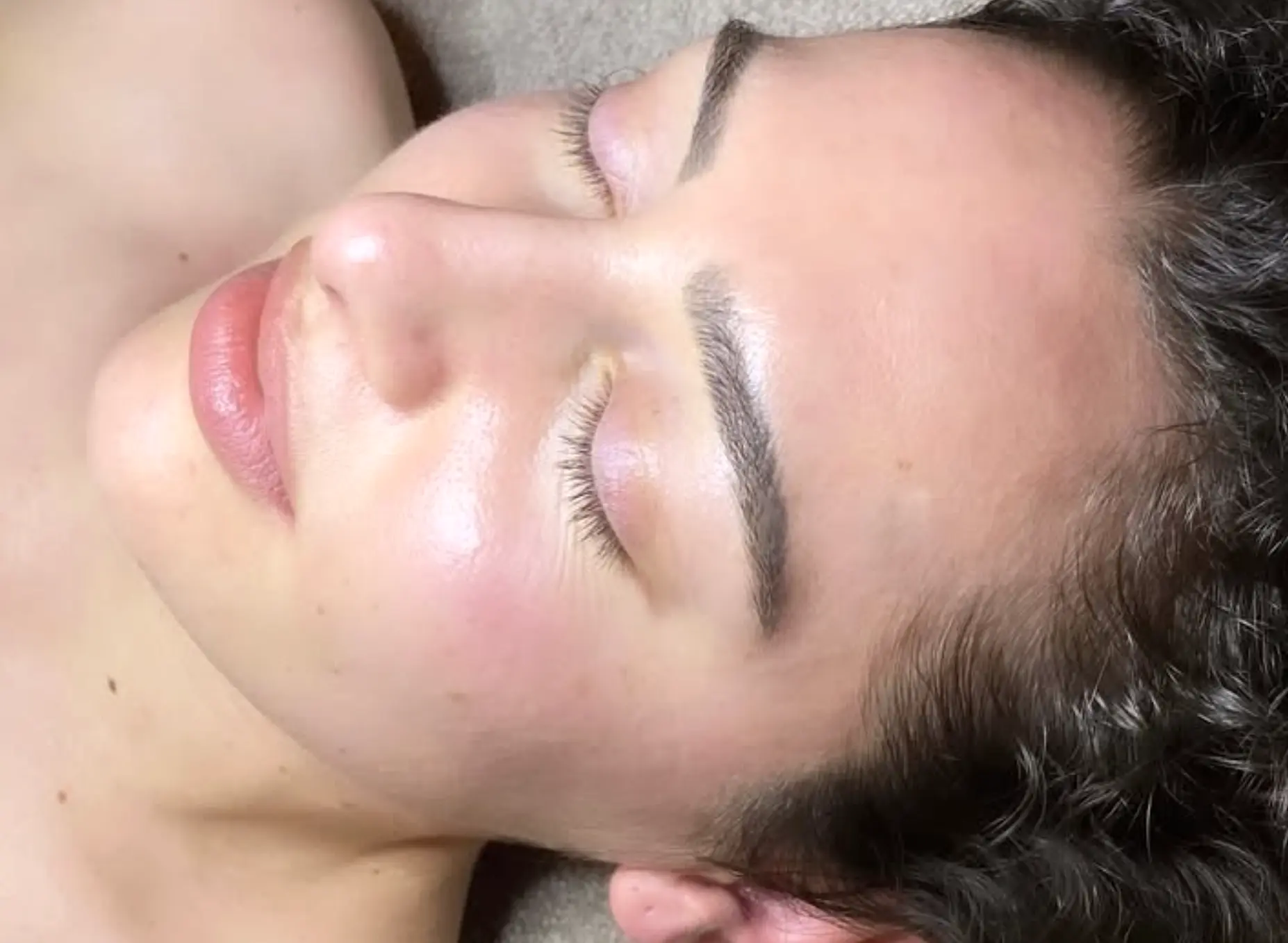
- What it is: Tiny needles create micro-channels to boost serum absorption
- Why it works: Disrupts uneven pigment and stimulates new skin
- Best for: Mixed pigmentation, textural concerns, acne scarring
- Downtime: Redness for 24–48 hours, light flaking
LED Light Therapy
- What it is: Light wavelengths (usually red or near-infrared) to calm and heal
- Why it works: Reduces inflammation and supports pigment-fighting treatments
- Best for: Sensitive skin types, rosacea-prone clients
- Downtime: None
At-a-Glance Treatment Comparison Table
| Treatment Type | Works Best For | Visible Results In | Downtime | Ideal Candidate |
|---|---|---|---|---|
| Chemical Peels | Acne marks, uneven tone | 1–3 sessions | 1–4 days flaking | Oily/combo skin types |
| Laser (e.g. Pico/IPL) | Sun spots, dermal melasma | 1–4 sessions | 1–2 days of redness | Light-medium skin tones |
| Microneedling + Serums | PIH, scarring, dull skin | 3–6 sessions | 24–48 hrs red | All skin types |
| LED Light Therapy | Inflammation, skin healing | 4–8 sessions | None | Sensitive or reactive |
Healing Timelines & What to Expect
- Week 1: Some flaking, redness or tightness
- Week 2–3: Brightness improves, spots may look lighter but uneven
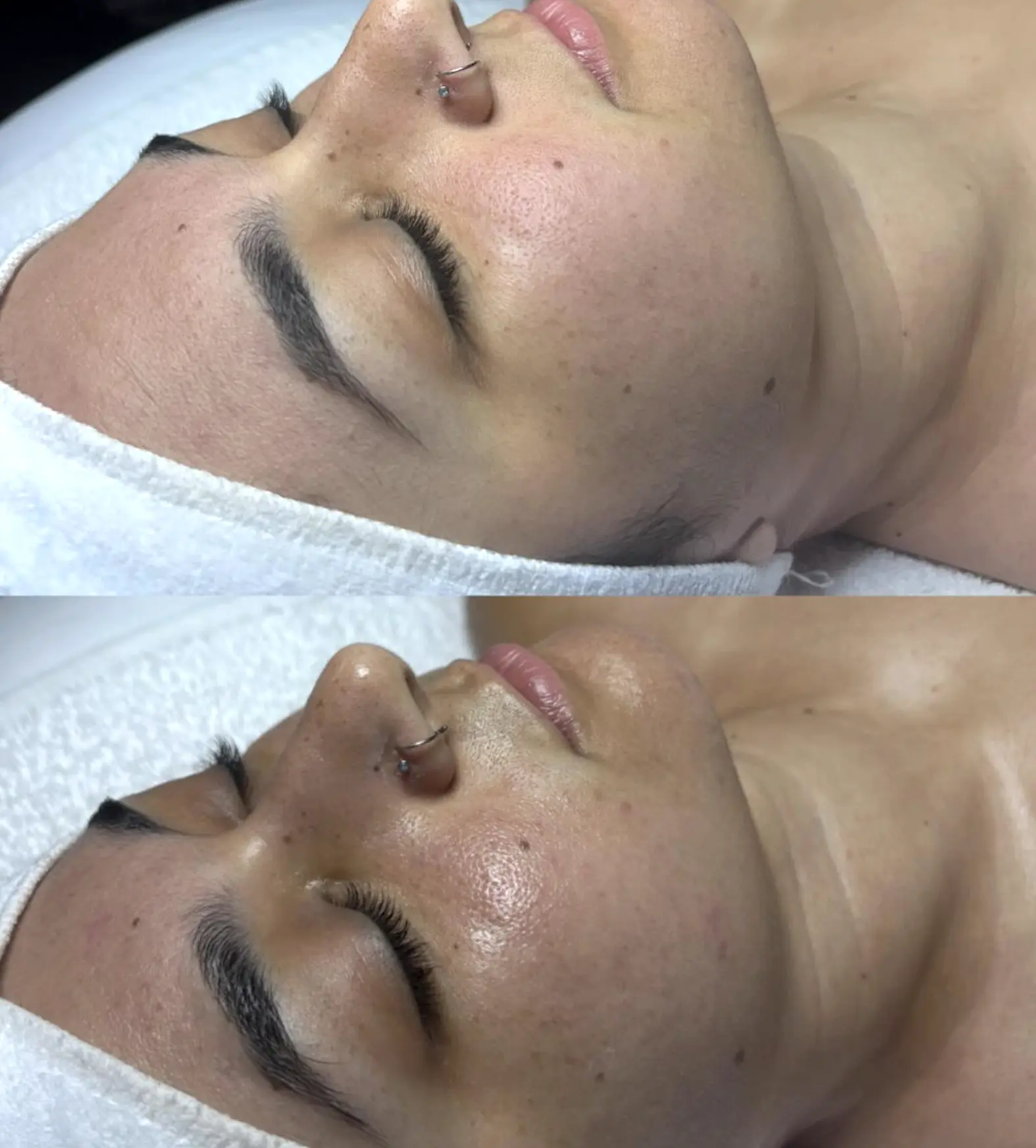
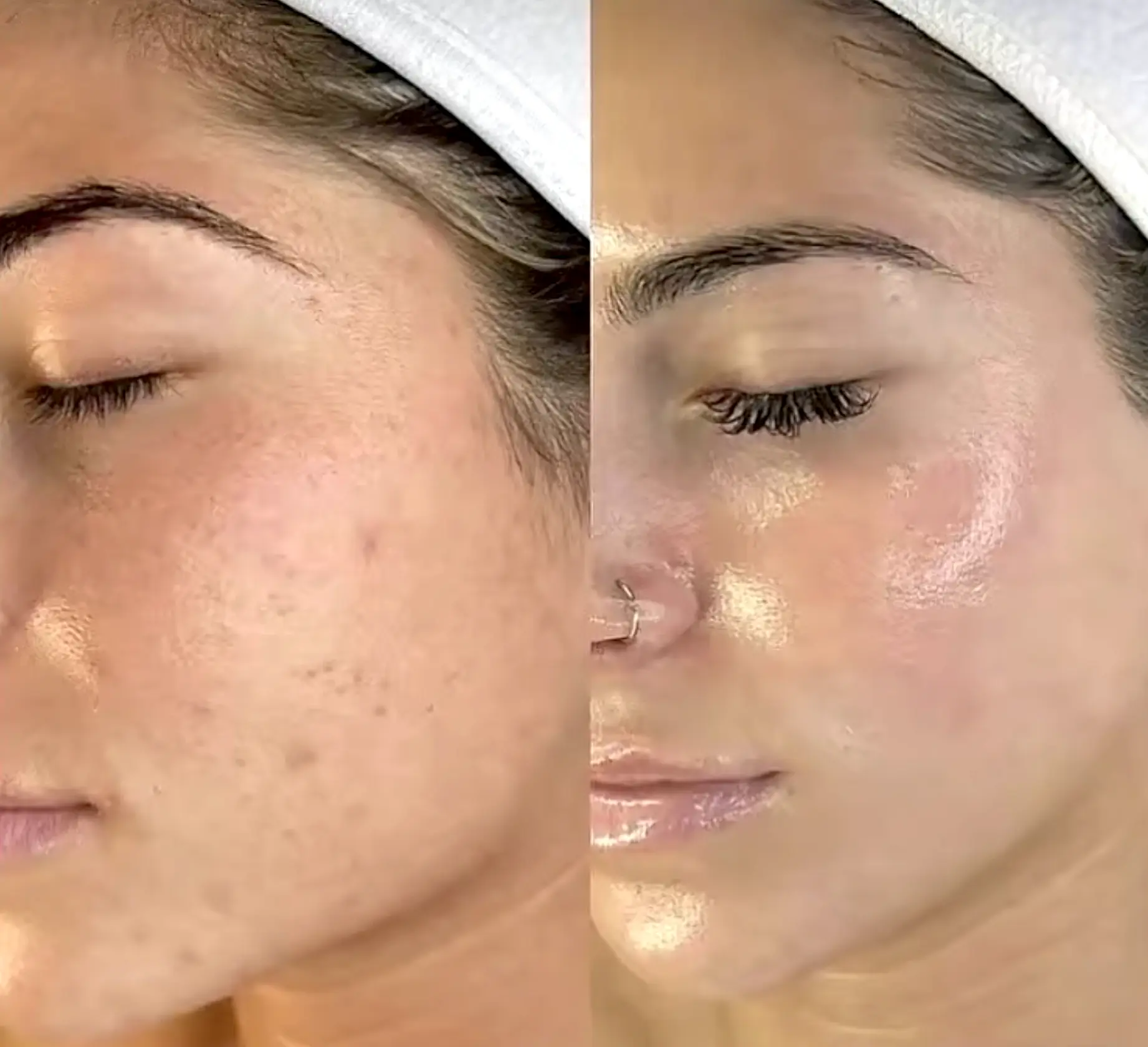
- Week 4–6: Noticeable fading of pigmentation, texture more refined
- Ongoing: With sun protection and good skincare products, results keep improving
Prepping Your Skin: Before the Facial
- Do: Use a gentle enzyme cleanser for 3–5 days prior
- Avoid actives like retinol and AHAs for 72 hours pre-treatment
- Wear sunscreen daily
- Don’t: Wax, thread or use depilatories
- Tan or use fake tan
- Pick or exfoliate aggressively
Post-Treatment Care: Don’t Undo the Glow
- Do: Apply SPF 50 daily (even indoors)
- Use a barrier-repairing moisturiser with hyaluronic acid
- Keep your skin clean but not stripped
- Don’t: Use scrubs or active serums until skin fully recovers
- Pick at flaking or scabs
- Skip sunscreen — even once
Brisbane-Specific Pigmentation Challenges
Look, we love Brisbane. But the UV levels here are no joke. We regularly see:
- Faster pigment relapse if sunscreen isn’t used properly
- Humidity-induced breakouts leading to PIH
- Pigment rebound after outdoor events or beach time
What’s Working Now
- Picosecond lasers over traditional IPL for less heat damage
- Tranexamic acid serums as prep/homecare
- Customised peel layering instead of one-size-fits-all formulas
- Focus on reducing inflammation and supporting hyper skin
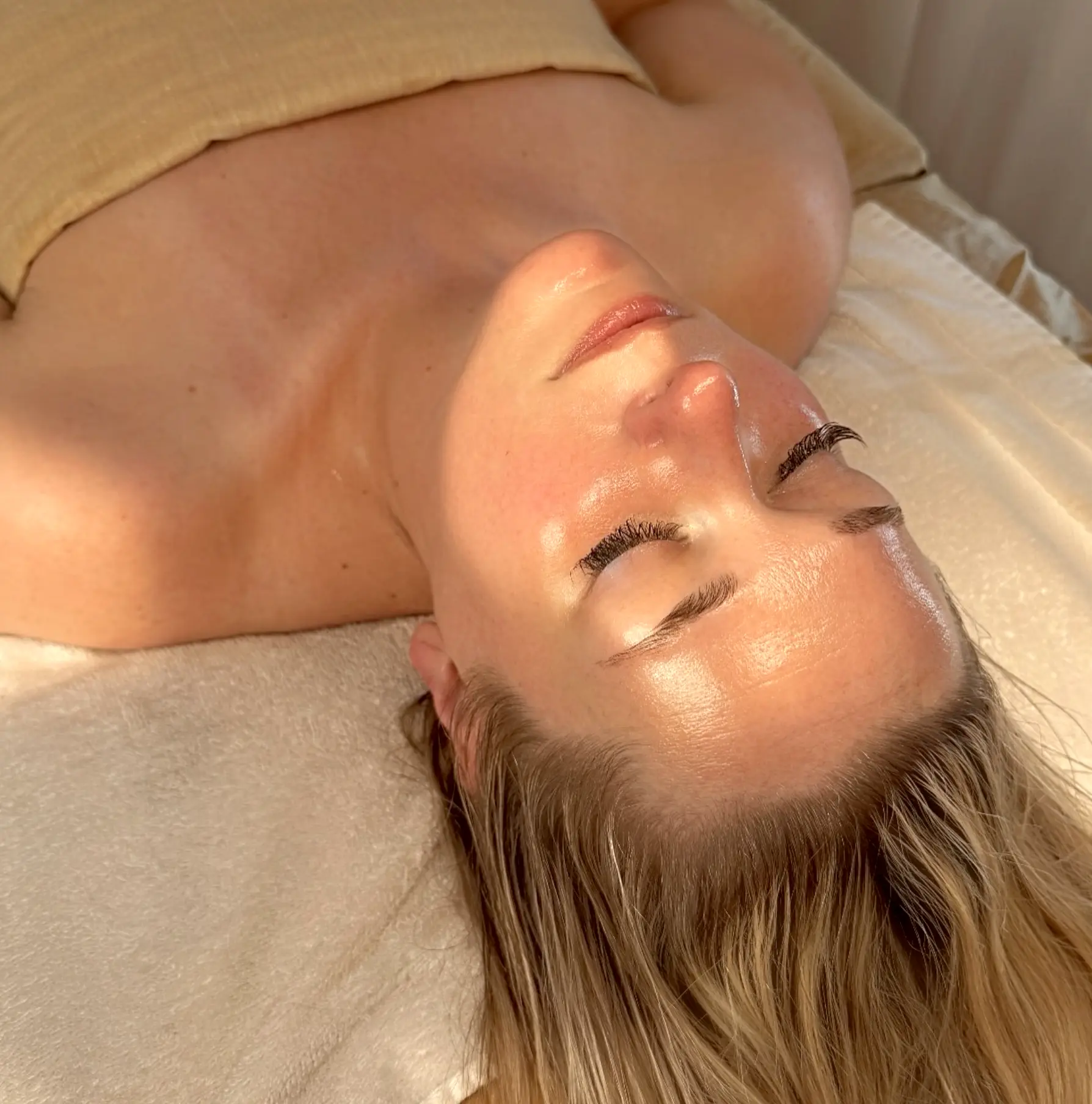
Final Thoughts: Real Skin, Real Results
There’s no miracle mask that wipes out pigmentation overnight. But with the right facial treatments — and honest aftercare — you can absolutely reclaim brighter, clearer skin that lasts. We’re here for results that respect your skin’s story, skin tone, and skin type.
Got a dark spot saga of your own? Pop into Cosmetic Tattoo Brisbane Studio Face Figurati or message us for a consult. We’ll guide you through it, spot by spot — whether you’re new to skin correction or already exploring facials Brisbane clients rave about.
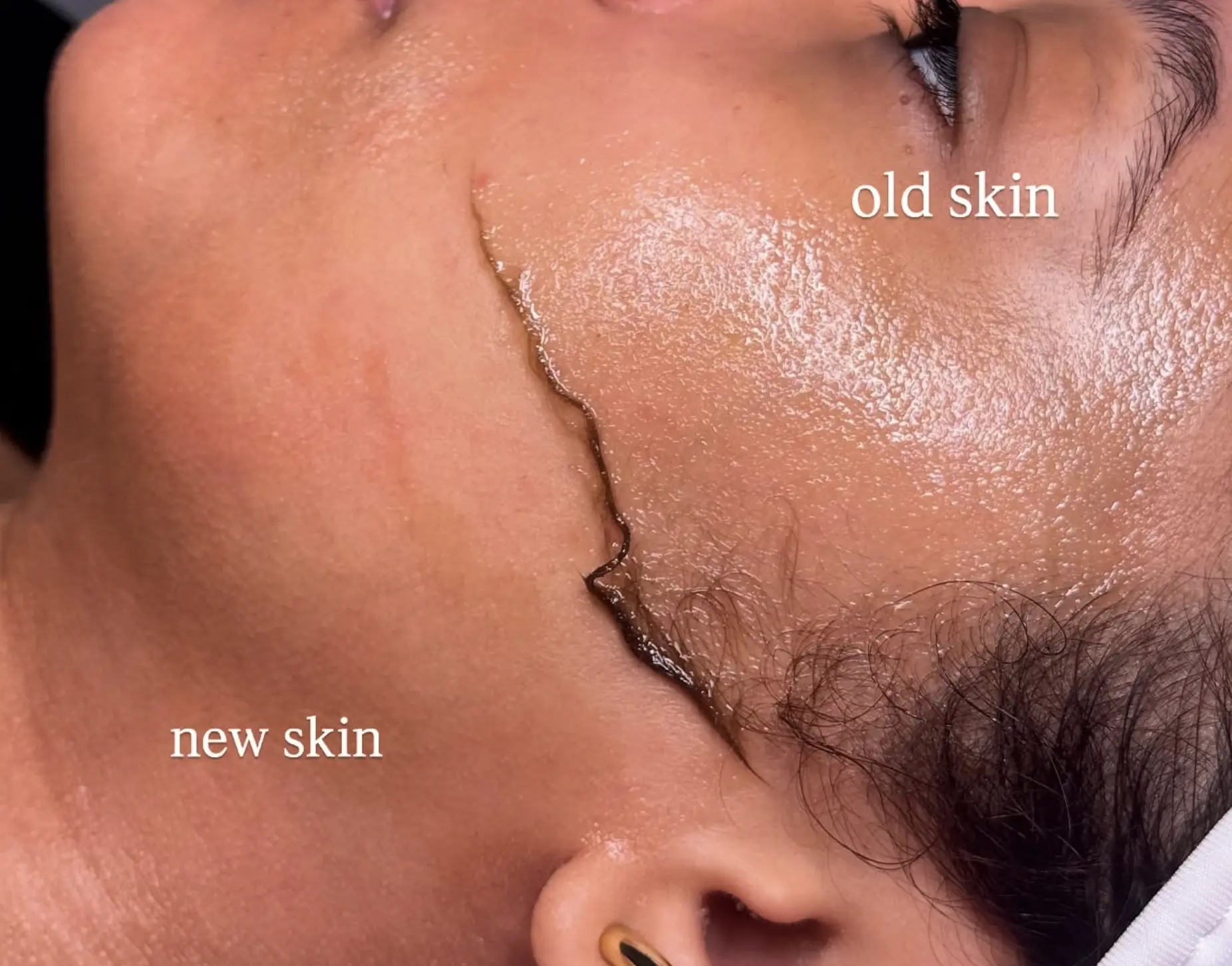
2026 update:
Pigmentation correction has shifted away from aggressive, one-size-fits-all treatments toward layered, skin-safe approaches that prioritise long-term stability. Across Brisbane clinics, therapists are reporting stronger outcomes when pigment treatments are combined with inflammation control and barrier support rather than relying on a single modality. At The Facial Hub, practitioners note that clients seeing the most consistent improvement are those pairing corrective facials with targeted light-based treatments, including IPL hair removal at The Facial Hub, particularly when excess hair growth, follicle inflammation, or shaving-related irritation contributes to post-inflammatory pigmentation.
What’s also changed is expectation management. Current industry data shows that clients who understand pigmentation as a process, not a quick fix, achieve better compliance and longer-lasting results. Instead of chasing full clearance in one session, modern treatment plans focus on gradual fading, reduced rebound, and protecting the skin against Brisbane’s intense UV and humidity. Clinics now emphasise realistic timelines, ongoing sun protection, and personalised facial strategies — proving that when pigmentation is treated with patience and precision, results are not only visible, but sustainable.
FAQ
Can facials remove dark spots permanently?
Facials can significantly fade and manage dark spots, but no treatment is a one-and-done. Maintenance is key, especially in sunny climates.
Is laser safe for darker skin tones?
Not all lasers. Some can trigger more pigmentation. We always assess skin tone and use pigment-safe tech like picosecond lasers or avoid lasers altogether if the risk is high.
How many sessions will I need?
Depends on the treatment and your pigment type. Mild spots may clear in 1–2 peels; melasma may need 4+ sessions with combo therapies.
Will the spots come back?
They can if you’re not consistent with sun protection or if there are hormonal triggers. We give you strategies to keep pigment at bay long-term.
What’s the best treatment for sensitive skin with dark spots?
We usually start with LED therapy or gentle peels. It’s about respecting the skin barrier while nudging the pigment out.