Ever felt like your car lost half its value the moment you turned the key? You’re not far off. Car depreciation hits hardest in the early years, and it’s something every car owner — especially here in Melbourne — should understand before buying, selling, or scrapping a vehicle. In this post, we’ll dig into the real numbers behind car depreciation, unpack why it matters, and help you spot the prime time to cash in before your ride turns into a lawn ornament. So, at what age do cars depreciate the most?
That’s what we’re here to break down. No sugar-coating, no salesy rubbish — just straight-up answers from the blokes who tow ‘em away every day.
When Car Value Drops, Fast
Car depreciation isn’t just a finance nerd’s problem. It hits tradies, families, and first-time drivers alike. If you’re holding onto a car that’s bleeding value, you could be throwing money down the drain. We see it all the time at Old Cars Removed in Melbourne — someone thinks they’ve got a $5K car, but it’s actually worth scrap.
Knowing when your car takes the biggest value hit can help you:
- Decide when to sell, trade, or scrap
- Avoid overcapitalising on repairs
- Understand the depreciation process
- Plan smarter for your next vehicle
Let’s get into the gritty details.
Fastest Depreciation Years
Most cars depreciate the fastest in the first few years, especially between years 1 and 5. The biggest punch comes in the first year, often referred to as initial depreciation.
Average Depreciation by Year
| Vehicle Age | Approx. Value Lost | Remaining Value (of New Car Price) |
|---|---|---|
| 1 year | 20–30% | 70–80% |
| 3 years | 35–50% | 50–65% |
| 5 years | 60–70% | 30–40% |
| 10+ years | 80–90%+ | 10–20% or scrap value |
One time, we towed a 12-year-old Camry from Noble Park that had once cost over $30K. It had rust in the floor pan, torn seats, and a family of redbacks under the bonnet. We paid cash for it — but it was barely worth $300 in scrap metal.
The moment a new car leaves the dealer’s lot, it starts dropping in value faster than a dropped meat pie at the footy. That’s the reality of the depreciation curve.
The First Year: The Steepest Slide
The biggest hit comes in the first year. New cars lose about 20% to 30% of their value right off the bat. Why?
- Instant reclassification from “new” to “used”
- Dealer markup vanishes
- Insurance costs stay high, but value drops
This initial depreciation represents the most brutal part of the vehicle depreciation timeline.
If you’ve just driven off in a brand-new Hilux or Corolla, you’ve already kissed goodbye to thousands. It’s like dropping your tax return straight into a storm drain.
That’s why we often say: if you’re not planning to keep a car long-term, avoid buying brand new. Let someone else take the depreciation hit.
Years 2–5: Still Falling, But Not as Fast
While the initial hit is the worst, years 2 to 5 still bring steady losses. This is the sweet spot where:
- The car is still reliable and good-looking
- But the value keeps sliding downhill
Wear and tear start showing up here. Rego renewals, repairs, and the odd mechanical surprise (hello, busted water pump!) start to appear. Your car’s model and variant also start to matter more as buyers look for specifics.
If your car’s around 3 to 5 years old and still in decent nick, it might be the best time to sell or trade — before it crosses the line from ‘used’ to ‘worn out.’ This is also when trade-in value starts to fall behind what you might get in a private sale.
After Year 5: Things Get Real
Post-5 years, things get a bit dicey. Most cars have clocked over 100,000km, and that’s when you see:
- Failing transmissions
- Leaky gaskets
- Peeling the clear coat
- Dashboard lights playing disco
Once a car hits 10 years, it’s generally lost 80% to 90% of its value, depending on car model, brand, and condition. At this stage, depreciation cost can outpace the practical use of the vehicle.
We once picked up an old Magna from Hoppers Crossing that had been sitting under a fig tree for a decade. The owner swore it “just needed a jump.” Mate, it needed an exorcism. It went straight to metal recycling.
What Really Hurts Car Value
Not all cars drop in value at the same rate. Some other things that speed up the depreciation freefall:
- Car Brand & Model: Luxury brands lose value faster. Reliable models from brands like Toyota or Mazda tend to hold up better.
- Kilometres: More clicks on the clock = less resale value.
- Condition & Wear and Tear: Rust, hail damage, dodgy paint, and accidents? She’s a cactus.
- Car Maintenance: Regular servicing and keeping your maintenance history intact can help reduce depreciation.
- Safety Features & Safety Ratings: Cars with top safety ratings and modern safety standards tend to retain value longer.
- Fuel-Efficient Vehicles: With rising petrol costs, fuel-sippers have better resale prospects.
- Electric Cars: Still stabilising in value, but some models depreciate faster due to tech obsolescence.
- Model Year & Model Variants: A newer model year often means better tech and features, which buyers want.
- Extended Warranty: A transferable extended warranty can sweeten resale value.
- Market Conditions: Interest rates, fuel prices, and used car demand all affect market value.
Looking for cash for cars in Rosebud? Even coastal cars with a bit of salt air wear and tear are worth something to us — especially if they’re no longer roadworthy.
When to Sell Vs. When to Scrap
Here’s the no-bull breakdown:
Sell It If:
- It’s under 7 years old
- You’ve kept up the maintenance history
- It’s still running and registerable
Scrap It If:
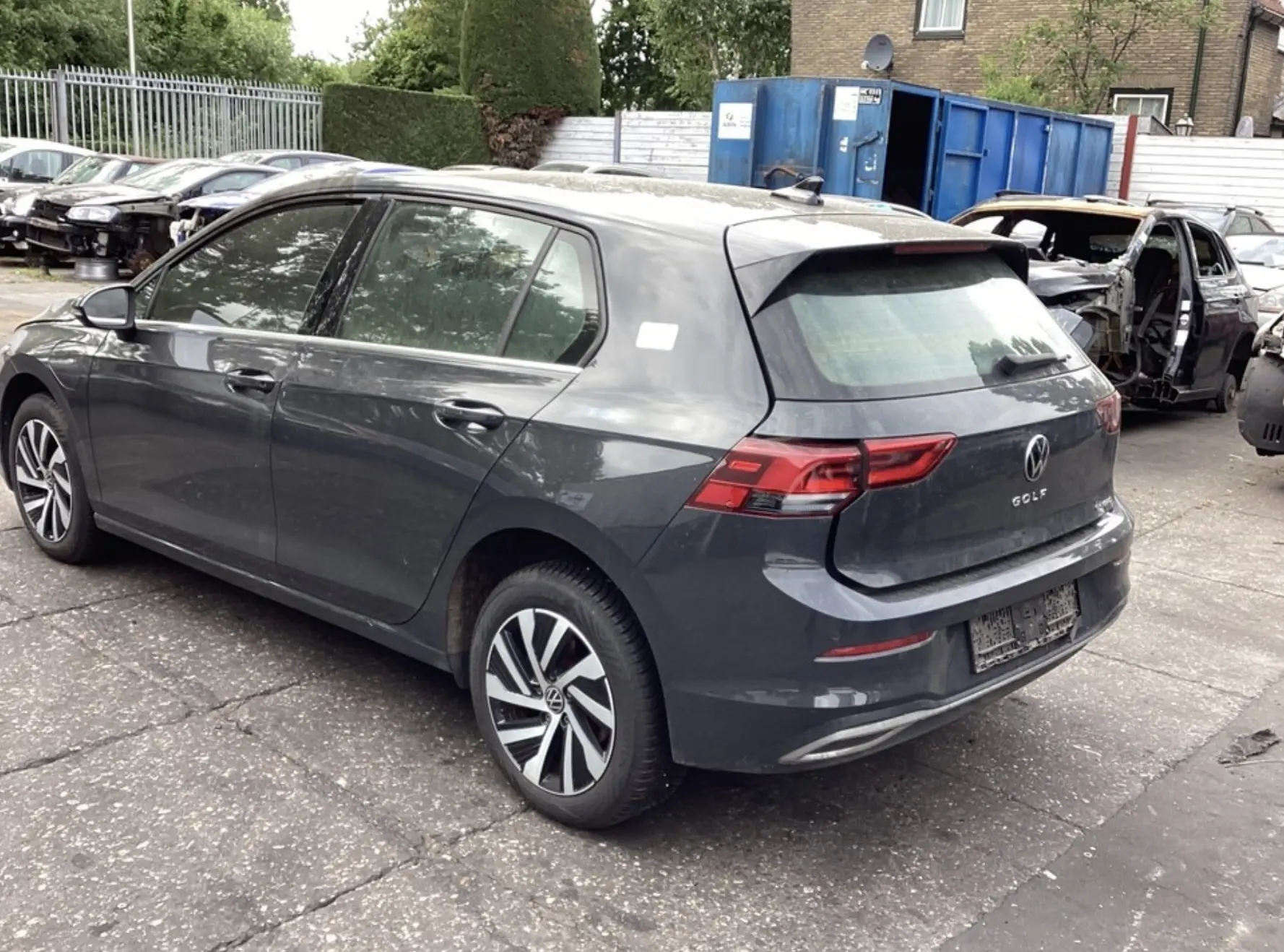
- It’s over 10 years old and needs repairs worth more than it’s worth
- You’ve let your rego lapse
- It’s been sitting idle for months or years
- It smells like mouldy dog food and the engine won’t turn
At Old Cars Removed, we pay cash even for the rough ones. If the car’s value has dropped to near zero, it might be time to stop pouring money into it and give us a call. We even offer top cash for old cars in Rosebud and the surrounding areas.
Tips to Slow Down Depreciation
Want to get more out of your car before it hits the bottom of the value barrel?
- Stick to the servicing schedule
- Keep the interior clean (avoiding melted Minties on the dash is a good start)
- Avoid mods — aftermarket spoilers don’t increase value, sorry
- Keep receipts and maintenance history handy
- Park under cover to avoid UV and hail damage
- Choose models with strong safety features and high safety ratings
Final Takeaway
If you’re asking, “At what age do cars depreciate the most?” — the answer is clear: the first year smashes your wallet hardest, but the whole first five are the danger zone on the depreciation curve.
After that, it’s a slow slide toward the scrapyard, especially in Victoria where rust, rego costs, and council fines pile up fast. Don’t let your resale value drop off a cliff without a plan.
If your car’s heading into the “barely worth selling” phase, don’t stress. We’ve towed clunkers from Dandenong to Deer Park that were full of leaves and still paid cash.
Need help deciding?
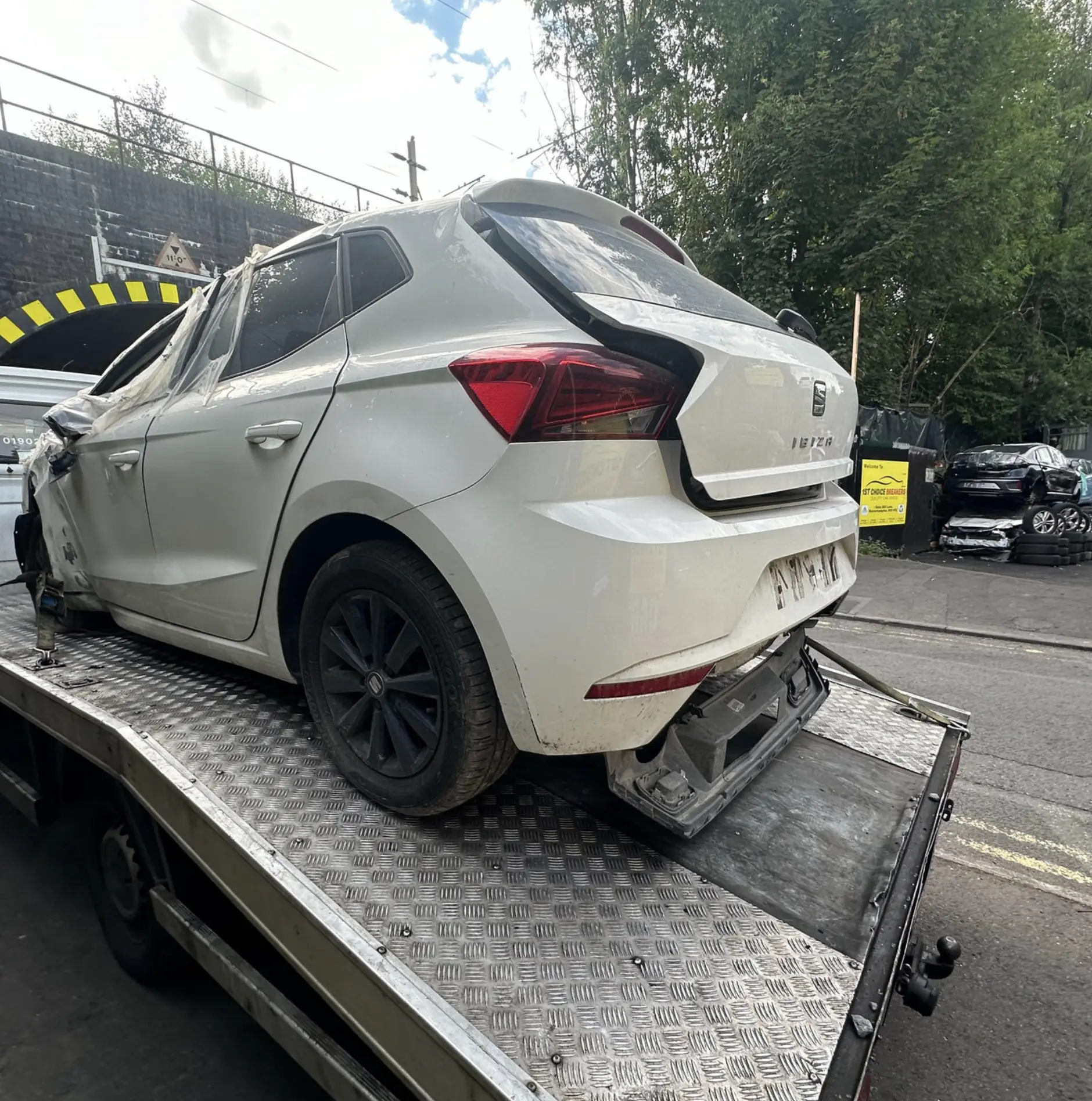
Not sure if your car’s worth fixing or flogging? Rego expired and the bonnet won’t shut? Want cash in hand without the headache? Send us a photo — we’ll give it to you straight.
FAQ
What car brands hold their value best in Australia?
Generally, Toyota, Mazda, and Subaru vehicles tend to retain their resale value longer than luxury brands like BMW or Audi.
Why do new cars lose value so quickly?
Initial depreciation happens because a car is no longer “new” once it leaves the dealership. Dealer markup vanishes, and market value drops instantly.
Does low mileage really slow depreciation?
Yes, fewer kilometres usually means less wear and tear. But age, condition, and car model still play a big role.
Are electric cars better or worse for depreciation?
Some electric cars lose value fast due to tech changes and battery concerns. Others, like Teslas, can hold value if demand stays strong