When people ask me, “What Is The Best Route To The Blue Mountains?” I just grin and say, “Depends if you’re in a hurry or in the mood for a yarn with the hills.” The truth is, there’s more than one way to climb west out of Sydney — each road has its own character, pace and stories baked into the bitumen.
I’ve driven both main routes more times than I can count — from quick dashes for work to slow scenic loops with the billy and camera in the back. Whether you’re chasing waterfalls at Wentworth Falls, standing at Echo Point Lookout staring at the Three Sisters, or hiking into the Blue Mountains National Park, the road you choose shapes your journey from the very first bend.
How to Get Up to the Highlands
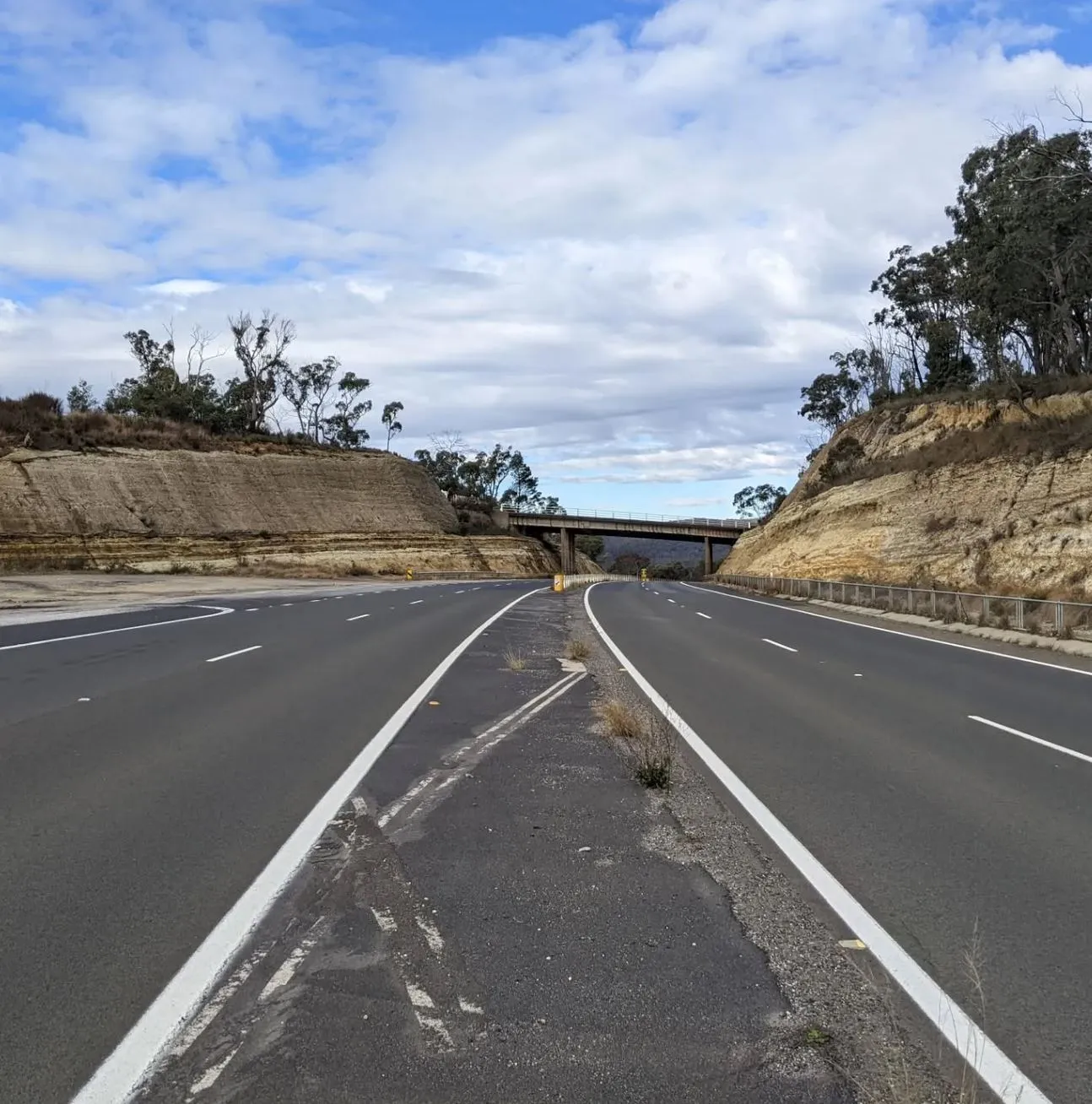
There are four good ways to get to the Blue Mountains World Heritage Area, depending on your budget, patience and sense of adventure:
- Drive Via The Great Western Highway (M4) – fast, direct and fully sealed.
- Take Bells Line Of Road (B59) – slower but scenic, through orchards, valleys and forest.
- Catch A Train From Sydney’s Central Station – cheap, easy and no parking worries.
- Join A Blue Mountains Tour – for those who’d rather someone else handle the driving and storytelling.
Here’s a quick look at how they compare:
| Route | Distance (One Way) | Average Drive Time | Highlights | Best For |
|---|---|---|---|---|
| Great Western Highway (M4) | ~100 km | 1.5 – 2 hours | Glenbrook, Wentworth Falls,Katoomba | Speed, convenience |
| Bells Line Of Road (B59) | ~110 km | 2 – 2.5 hours | Bilpin, Mount Tomah Botanic Garden, Lithgow Views | Scenic drives, day-trippers |
| NSW TrainLink – Blue Mountains Line | – | 2 hours 10 min (Sydney to Katoomba) | No traffic, budget-friendly | Backpackers, commuters |
| Small Group Tour – Blue Mountains Tour | Varies | Full-day (~9 hours round trip) | Expert guides, hidden stops, no planning | Stress-free explorers |
Quickest Way to the Mountains
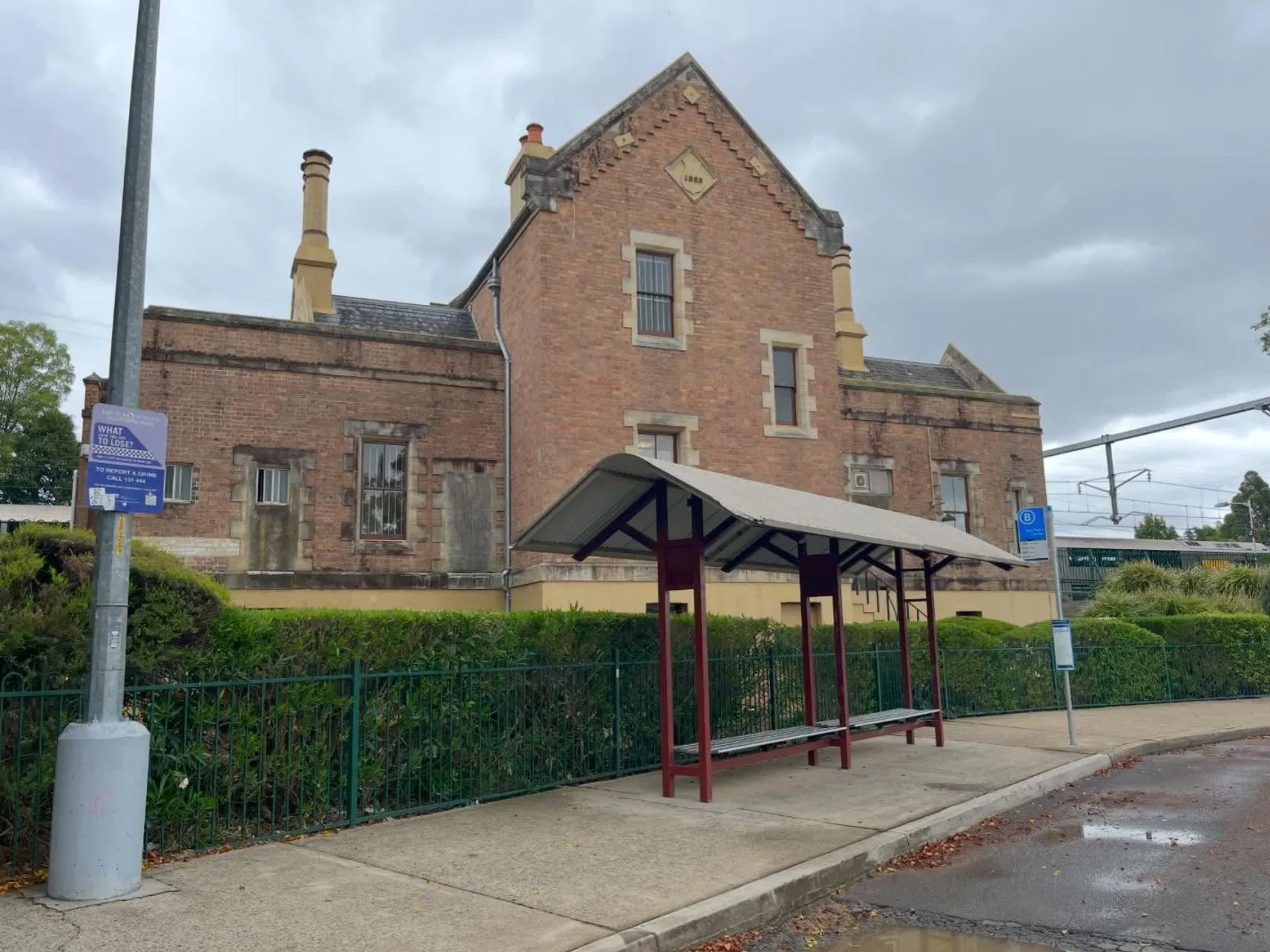
If you just want to get there and tuck into a meat pie before lunch, the Great Western Highway is your best bet. It’s the main artery between Sydney and the central tablelands, starting as the M4 and snaking up through Glenbrook, Blaxland, Springwood and on to Katoomba — the beating heart of the Blue Mountains National Park.
You’ll cruise from Sydney’s inner west to Emu Plains in about 50 minutes, then the climb begins. The dual-lane highway winds steadily upward, with plenty of rest stops and servo options along the way. If you’re lucky, you might spot a freight train rumbling alongside — a reminder that this route has been carrying people and produce west since the 1800s.
Key Tips For Highway Drivers
- Best Travel Time: Leave Sydney before 8 a.m. to dodge the Penrith bottleneck.
- Fuel Stops: Glenbrook (7-Eleven), Wentworth Falls (Caltex), Medlow Bath (Shell).
- Average Speed: 80–100 km/h — watch for school zones around Springwood.
- Weather Watch: Fog is common in winter between Hazelbrook and Lawson.
I’ve driven it in everything from 40-degree summer scorchers to mist so thick you could barely see the next reflector post. If you’re planning a weekend trip, check Live Traffic NSW — any major accident can back things up for hours.
Bells Line Of Road — The Scenic Alternative
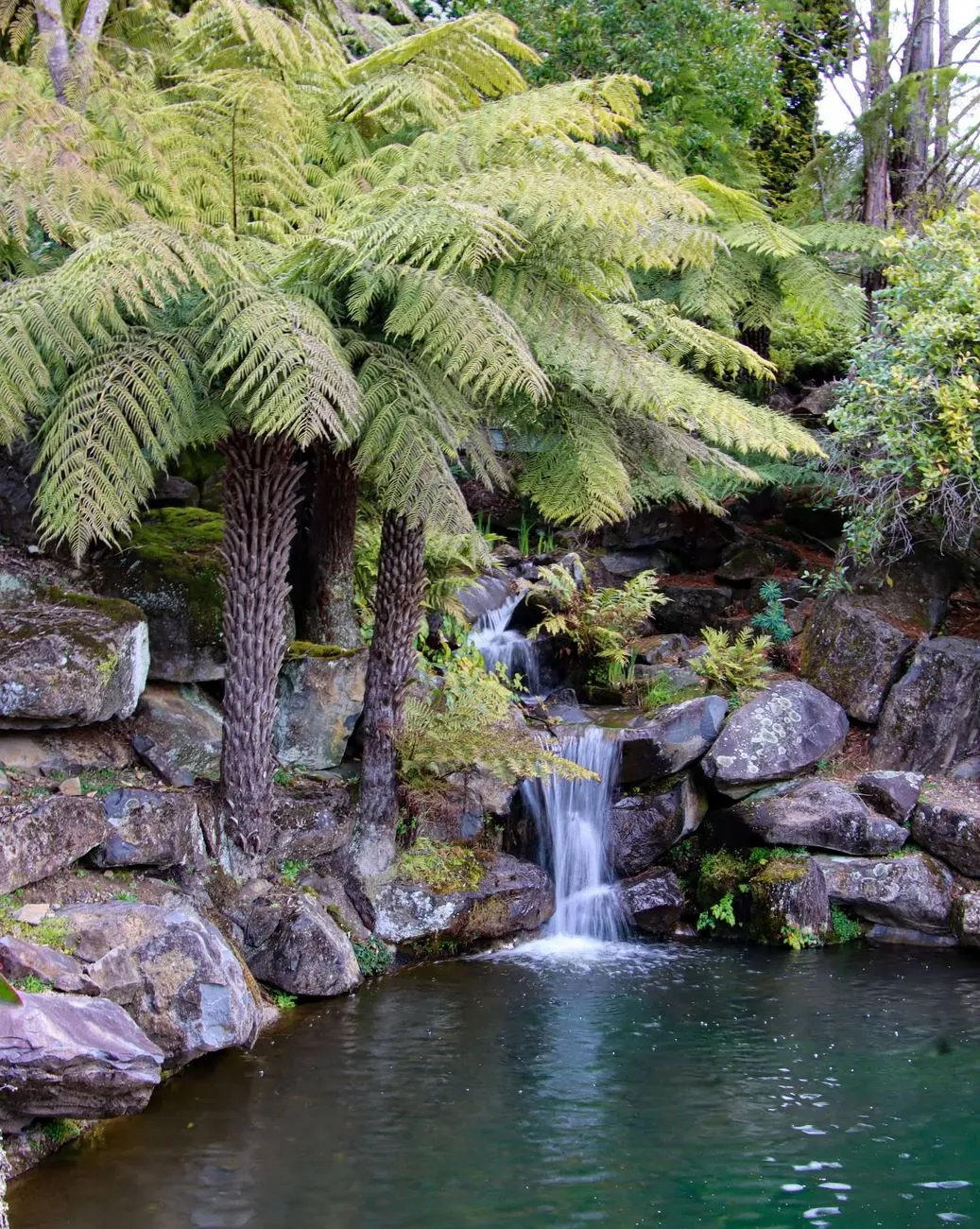
Now, if you’ve got a free day and a full esky, Bells Line Of Road is a ripper. This route starts at Richmond, crosses the Hawkesbury River, and climbs steeply through Kurrajong Heights before rolling past apple orchards in Bilpin and sweeping views near Mount Tomah and Mount Wilson.
It’s the main gateway to the Blue Mountains Botanic Garden, Mount Tomah, where you can stretch your legs among cool-climate trees and panoramic lookouts. Built in the 1820s as an alternative to the Great Western Highway, Bells Line is tighter and windier — more suited to cruisers than caravans — but worth every corner. You’ll meet the Great Western Highway again near Bell, just before Mount Vic. From there, you can drop into Blackheath, Katoomba Falls, or loop down to Hartley Vale, Wolgan Valley, and the Capertee River.
Why I Like It
- Less Traffic: Locals use it to avoid peak hour.
- Better Views: Ridgelines and heritage valleys.
- Great Stops: Pie In The Sky Bilpin, Tutti Frutti Apple Orchard, Mount Tomah Botanic Garden.
Just remember: this road can fog up quickly and has limited overtaking lanes. If you’re driving at night, keep an eye out for wombats — they’re like little tanks and they don’t bounce.
Public Transport — Easy, Cheap, And Reliable
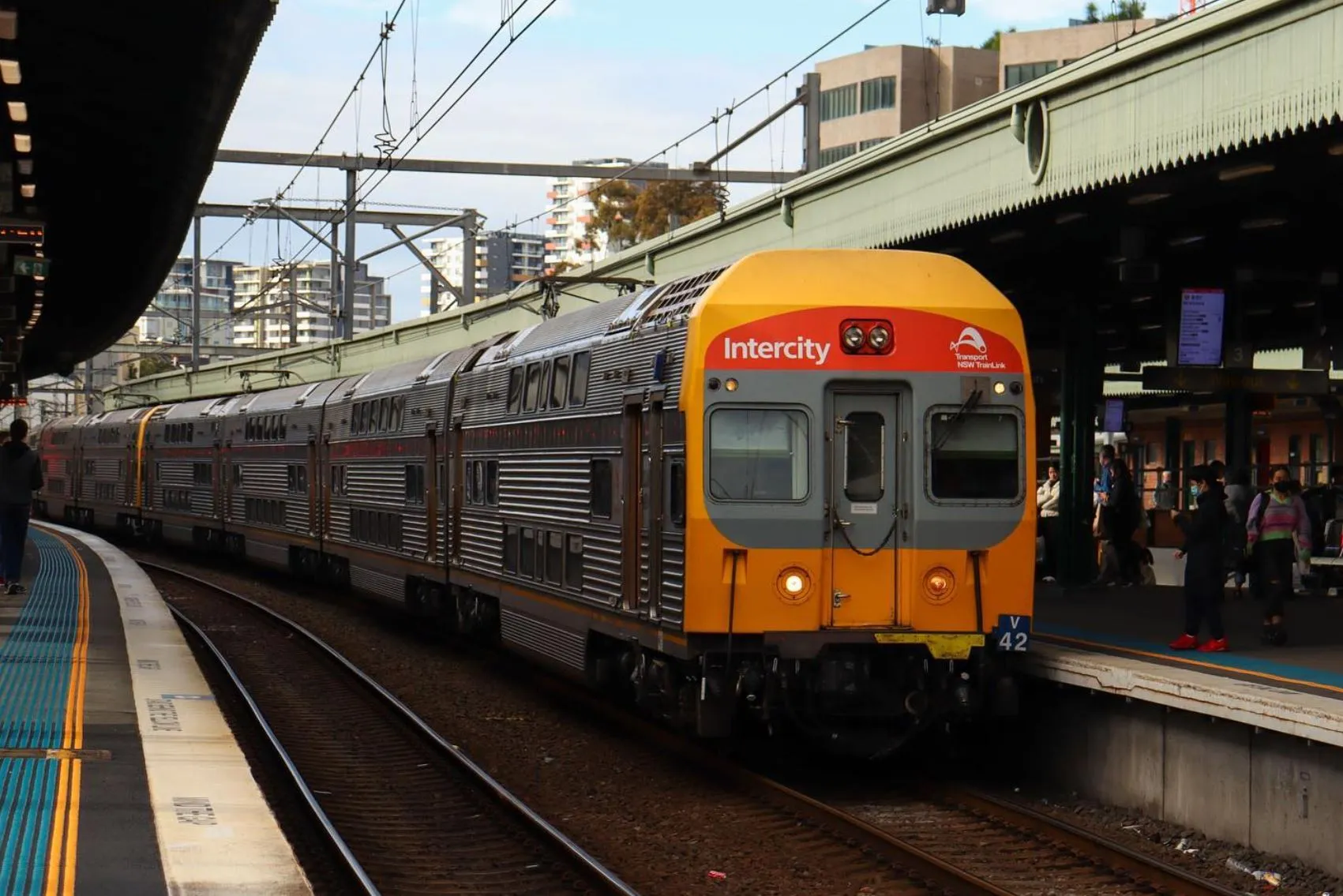
If you don’t want to drive, public transport to the Blue Mountains is as simple as it gets. The Blue Mountains Line from Sydney Central Station runs hourly, with stops at Parramatta, Penrith, Glenbrook, Springwood, and Katoomba.
You’ll glide past the Nepean River and into mountain country without lifting a finger — or a clutch pedal. With an Opal card, you can travel off-peak for around $6.50 each way, making it one of the best value scenic journeys in NSW.
Once you arrive, local buses and the Blue Mountains Explorer Bus will get you to Echo Point, the Three Sisters, Sublime Point Lookout, and Scenic World. If you prefer a quieter route, head to Leura Village or take the local bus to Wentworth Falls for a waterfall walk.
Train Tips
- Sit on the left side heading west for the best Nepean River views.
- Trains run roughly every hour — plan ahead for late returns.
- Bring snacks: there’s no café car and mountain hunger hits hard.
- In winter, pack a jacket — Katoomba can be 10 °C colder than Sydney.
Join A Tour — Stress-Free Exploration
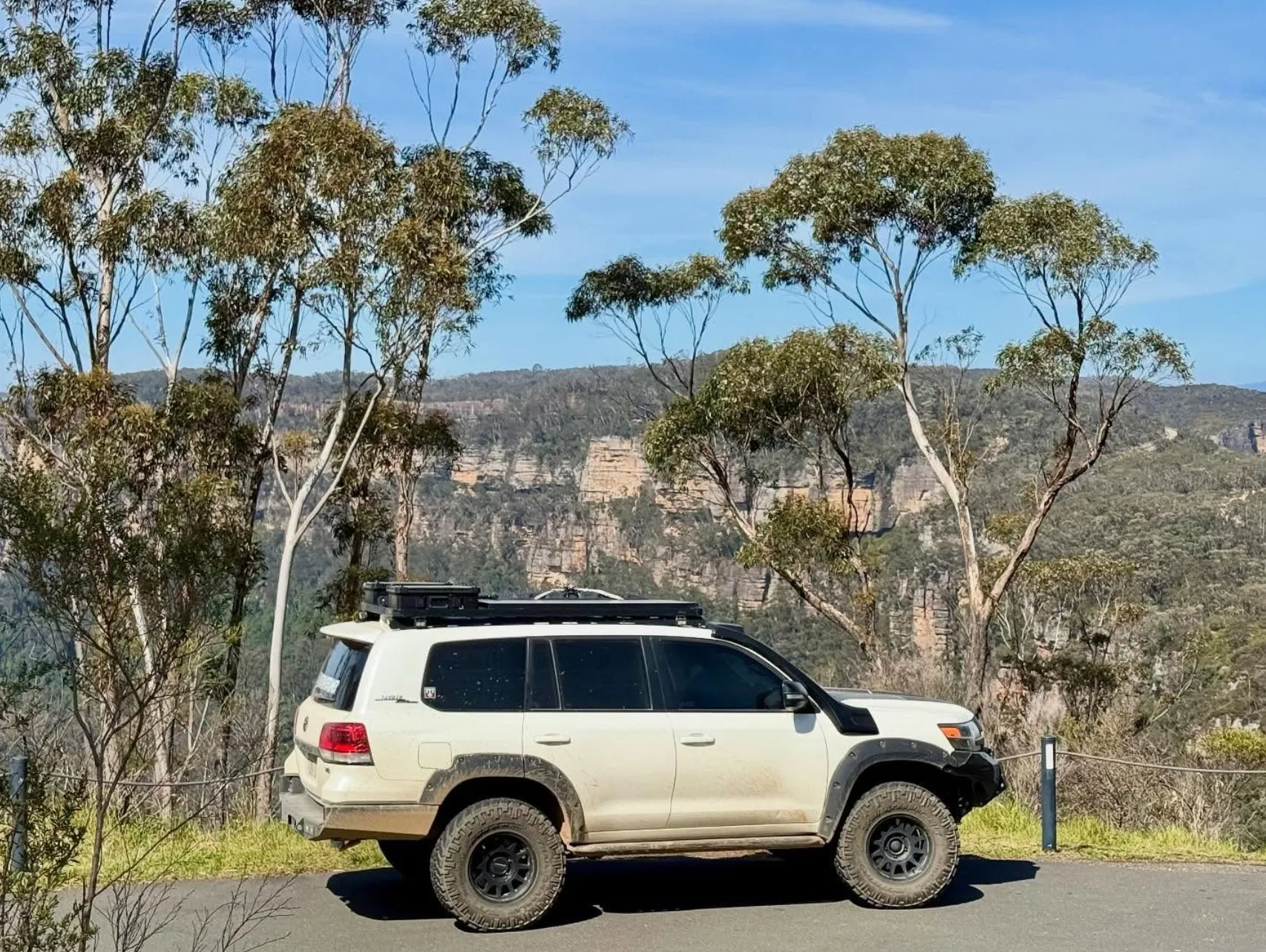
If you’d rather someone else do the planning, consider joining a Blue Mountains Tour. These small-group day trips cover Wentworth Falls, Echo Point, the Three Sisters, Katoomba Falls, and often the Blue Mountains National Park.
We run tours that focus on real local experiences — not just photo ops. Our guides know the backroads around Sublime Point Lookout and the quiet corners of the Greater Blue Mountains Drive that most buses skip.
Tour Benefits
- No Driving Stress: Relax and enjoy the views.
- Local Insights: Learn about the region’s geology, Aboriginal history and hidden lookouts.
- All-Inclusive: Entry fees, transport and lunch often included.
It’s a great option for visitors short on time or anyone who wants to see the highlights of the Greater Blue Mountains World Heritage Area without juggling maps and parking.
A Quick History Of The Road West
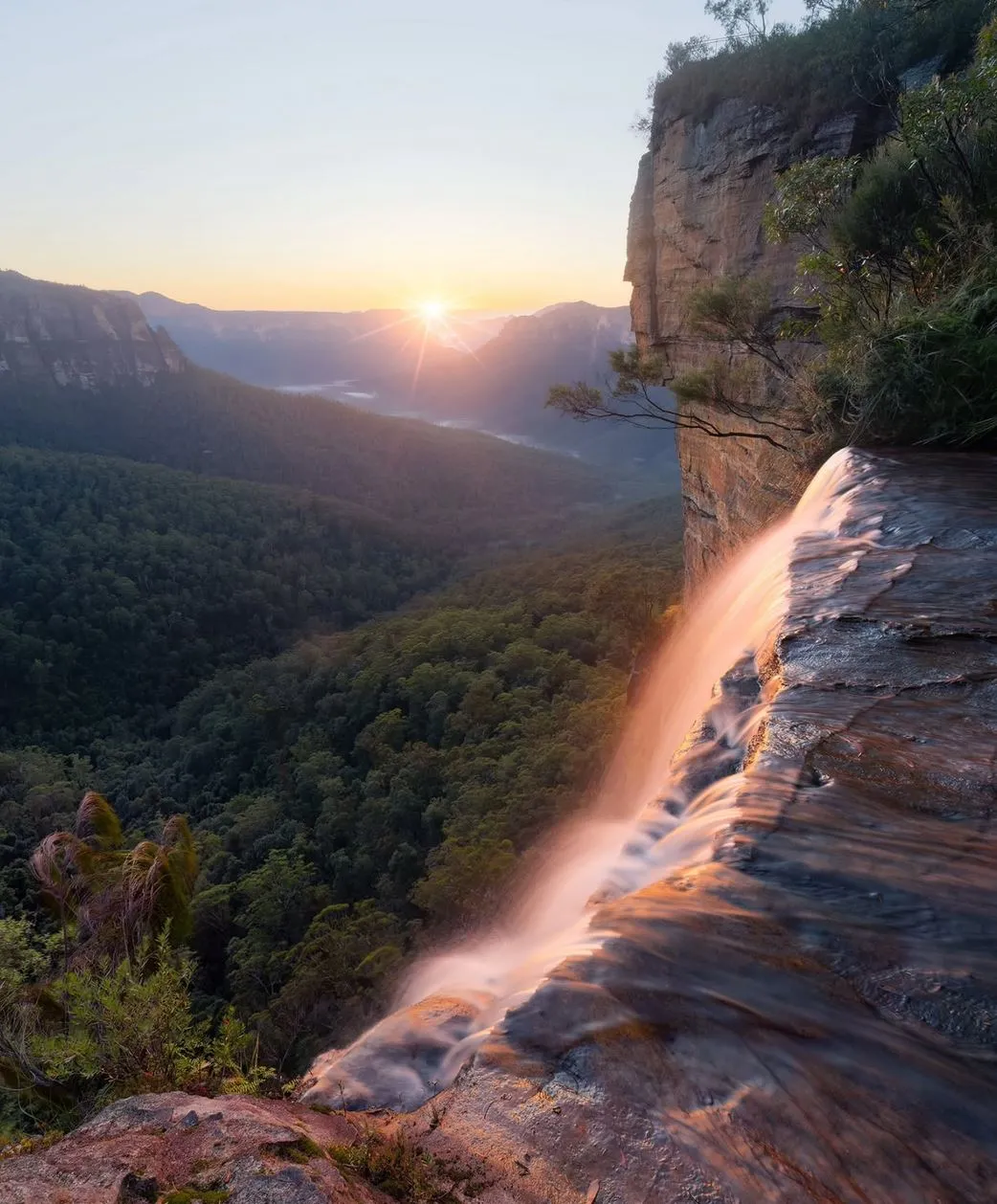
The road to the Blue Mountains is more than just tarmac — it’s the story of how Sydney broke free of its coastal shackles.
In 1813, explorers Gregory Blaxland, William Charles Wentworth, and Lieutenant William Lawson crossed what Governor Macquarie called an “impassible barrier.” Two years later, William Cox built the first road to Bathurst, cutting straight across the Country with picks, shovels and courage.
Today’s Great Western Highway follows that route in parts. If you stop at Mount York Lookout near Mount Vic, you can see where bullock teams once hauled supplies west. Not far away is Bull’s Camp, a heritage rest stop used by convicts.
Every time I drive that stretch, I picture those early travellers hacking through bush and rock, laying the foundations for the road we take for granted.
Road Conditions, Fuel & Weather – Plan Smartest You Can
Even the best route can turn into a nightmare if you don’t plan ahead. The Blue Mountains weather can suddenly change on you – you can start the day with blazing sunshine at Glenbrook, then walk around the corner and find yourself in a thick fog over at Echo Point, and as you’re standing there wondering what hit you, the rain starts coming down over at Katoomba Falls.
Here’s a quick rundown of things to keep an eye on to make sure your trip stays smooth:
Weather & Visibility – What You Need To Know
- Have a squiz at the Bureau of Meteorology (NSW) before you leave home.
- Don’t be surprised if it’s fog or frost from May to August.
- And if there’s a summer storm brewing, steer clear of Wentworth Falls – rockfalls can happen all too easily.
The Fuel Stops & A Bite To Eat
- Fill up the tank before you hit Penrith – prices go through the roof with every metre of altitude you climb.
- Try Mountain High Pies in Wentworth Falls for the best curry pie in the region.
- And don’t forget to bring some water – long weekends can mean long waits.
Driving & Safety – Things To Watch Out For
- Be on the lookout for wildlife around the Turon River crossings and the valley roads.
- Keep your headlights on if the clouds are getting low.
- And don’t even think about using cruise control on those steep, wet descents.
A bit of prep goes a long, long way – and I can tell you now that it’s way better to top up at Emu Plains than to risk running on fumes by the time you hit Medlow Bath.
FAQ
How Long Does It Take To Drive From Sydney To The Blue Mountains?
Generally, it takes about 1.5 to 2 hours if you’re following the Great Western Highway, depending on traffic and how many times you stop. Bells Line of Road adds around 30 minutes.
Are There Tolls On The Way To The Blue Mountains?
Yeah, there are – the M4 Motorway has toll sections leaving Sydney, but once you get past Penrith, it’s free all the way up.
Can I Drive The Blue Mountains Route In A 2WD Car?
No dramas at all – both main routes are sealed and suitable for standard vehicles.
What’s The Safest Route During Bad Weather?
Stick with the Great Western Highway – it’s wider, better maintained and has heaps more service options.
Is There Parking Near Scenic World And Echo Point?
Yeah, there is – but don’t be surprised if it’s chock-a-block on weekends. Get there early or use the Blue Mountains Explorer Bus for some hassle-free sightseeing.